
Older & Historic Home Inspections in Denver, Colorado
Experience matters when the house has decades of history
Older homes can be some of the most interesting, well-built and desirable properties in the Denver metro area. They can also be some of the most complicated to inspect.
A home built in 1925 may contain its original masonry foundation, a 1950s electrical upgrade, plumbing from several different eras, a 1970s addition, a 1990s kitchen renovation and a modern heating system. Each improvement may have made sense when it was completed, but understanding the house today requires recognizing how generations of materials, construction techniques and renovations work together.
That is where experience with older homes matters. Since Alpine Building Performance was founded in 2016, our team has completed over 3,500 inspections of homes built in 1960 or earlier.
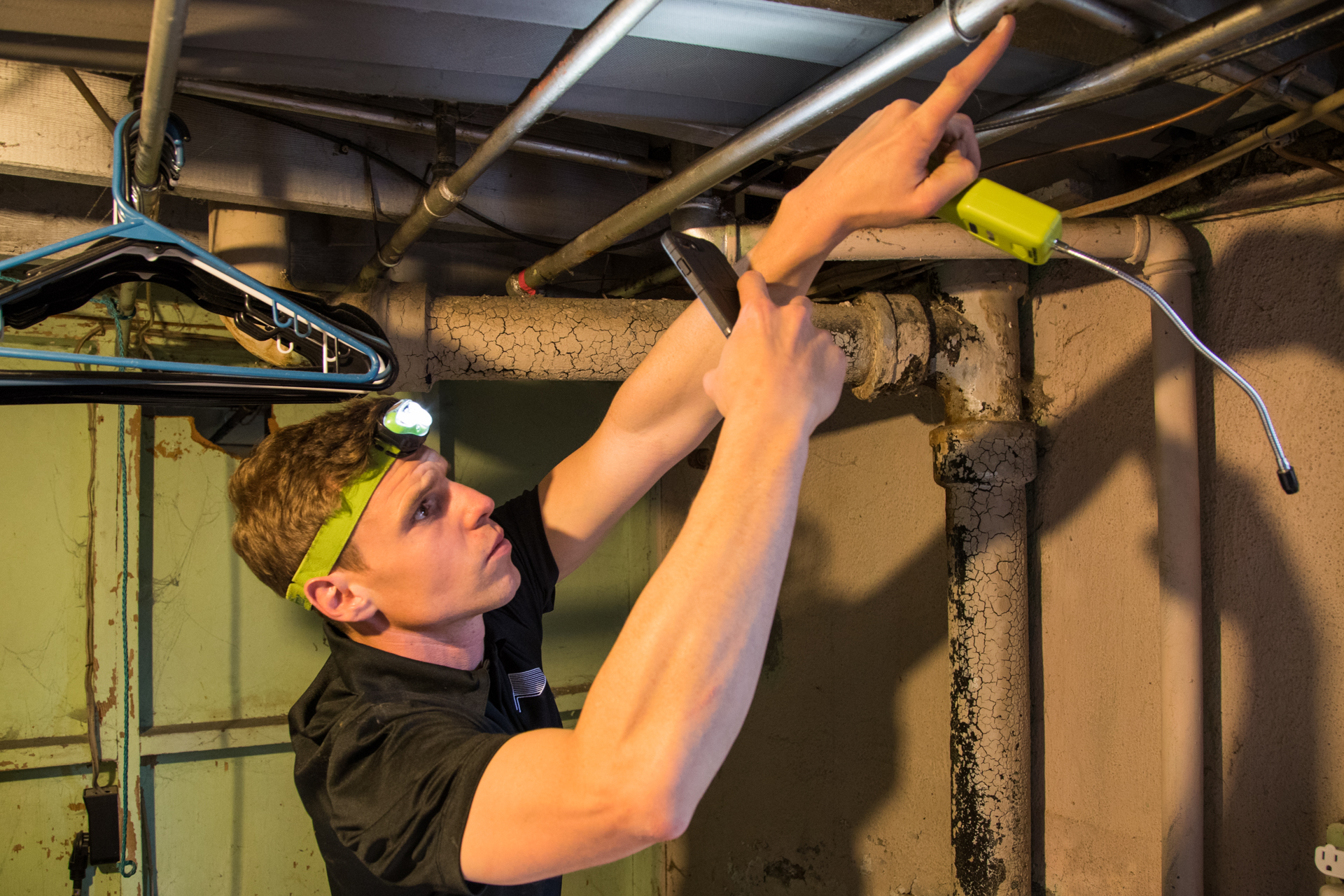
We routinely inspect older and historic homes throughout Denver and the surrounding metro area, from late-1800s and early-1900s residences to postwar homes built during the 1940s, 1950s and 1960s. Our inspectors understand that an older home should not be evaluated as though it were built yesterday.
The objective is not to criticize a property simply because it contains older construction. It is to distinguish between durable original materials, normal aging, deferred maintenance, outdated systems, unsafe conditions, unsuccessful renovations and components that may still have many years of useful service ahead of them.
Alpine combines extensive experience with older Denver homes, building-science knowledge and modern inspection technology to give buyers a clearer understanding of the property they are considering.
Call Alpine Building Performance: 720-612-1469
What Makes an Older Home Inspection Different?
A 100-year-old house cannot reasonably be evaluated the same way as a newly constructed home. Older homes were built using different materials, different construction techniques and different expectations for ventilation, insulation, electrical service, plumbing and mechanical systems.
Many have also undergone decades of repairs and renovations. The challenge is often not any single component, but understanding the house as it exists today.
An older Denver home may contain:
Original masonry foundations
Brick structural or exterior walls
Plaster and lath interior finishes
Original wood windows
Older chimneys and fireplaces
Knob-and-tube or other legacy electrical wiring
Cloth-covered wiring
Older electrical panels and distribution equipment
Galvanized steel plumbing
Cast-iron drain piping
Clay or other older sewer piping
Boilers and hydronic heating
Radiators or baseboard heating
Multiple generations of HVAC equipment
Older roofing materials
Low-slope roofs over additions
Crawl spaces beneath additions
Original or minimally insulated wall assemblies
Decades of remodeling and additions
Older water-service materials
Site drainage conditions that have changed over time
Some of these components may be functioning perfectly well. Others may have reached the end of their expected service life, been improperly modified or no longer be appropriate for the way the home is currently used. The inspector's job is to understand the difference.
Over 3,500 Pre-1960 Homes Inspected
There is no substitute for seeing older houses repeatedly. Since 2016, Alpine Building Performance has inspected over 3,500 homes built in 1960 or earlier.
That experience includes properties ranging from modest postwar homes to century-old Denver residences, extensively renovated houses and architecturally significant historic properties. Repeated exposure to older construction helps an inspector recognize conditions that may be unfamiliar to someone who spends most of their time inspecting newer subdivisions.
Our inspectors understand that older homes often contain unusual details, obsolete components, repairs from previous generations and construction methods that are rarely used today. We also understand that old does not automatically mean defective.
Many historic materials have performed successfully for generations. A knowledgeable inspector should be able to recognize the difference between an older component that is functioning as intended and a condition that presents a legitimate concern. That judgment is particularly important when purchasing an older home.
The Biggest Challenge May Be 100 Years of Renovations
Many buyers assume the primary concern with an older house is its original construction. Often, the renovations are more complicated.
Imagine a Denver home originally constructed in 1920. The original house may have masonry walls, wood framing, plaster interiors and a boiler. Over the decades:
Electrical service may have been upgraded in the 1950s.
A rear addition may have been constructed in the 1960s.
Portions of the plumbing may have been replaced in the 1970s.
The kitchen may have been renovated in the 1990s.
Replacement windows may have been installed in the 2000s.
Insulation may have been added to the attic at some point.
Air conditioning may have been added long after the home was built.
Bathrooms may have been renovated again recently.
The result is no longer simply a 1920 house. It is a building containing multiple generations of construction, and those transitions deserve careful attention.
An addition may have a different foundation, roof design, drainage strategy or insulation system from the original house. New electrical wiring may coexist with older wiring in parts of the property. Some galvanized plumbing may have been replaced while other sections remain concealed. New windows may have changed how air and moisture move through walls that were originally designed to perform differently.
Alpine looks closely at these relationships. A good older-home inspection should evaluate not only what was changed, but whether the generations of construction appear to work together successfully.
A Building Science Approach to Older Homes
Understanding how an older house actually performs
Building science examines how heat, air, moisture, pressure and energy move through a building. These relationships are especially important in older houses because many were constructed before modern insulation, air-sealing, mechanical ventilation and moisture-control strategies became common.
A house may also perform very differently today than it did when it was built. Replacement windows, additional insulation, modern HVAC equipment, finished basements and remodeled bathrooms can all change the way moisture and air move through the structure.
Alpine evaluates the house as an interconnected system rather than treating every observation as an isolated defect. For example:
Poor exterior drainage can contribute to foundation moisture and basement problems.
Air leakage into an attic can contribute to heat loss, condensation and ice damming.
A powerful exhaust fan can affect fireplaces or naturally vented combustion appliances.
Replacement windows may change condensation patterns in an older wall assembly.
A finished basement may conceal or alter how an older masonry foundation dries.
Additions may create discontinuities in roofing, flashing, insulation and drainage.
Changes to heating systems may leave portions of the house uncomfortable or poorly balanced.
Newer materials may interact differently with older masonry, wood or plaster assemblies.
Understanding those relationships provides much more useful information than simply producing a list of deficiencies.
Older Electrical Systems
Electrical systems are one of the areas where experience with older homes is particularly valuable. A historic Denver house may have gone through several generations of electrical work.
Depending on the age and renovation history of the property, our inspectors may encounter:
Knob-and-tube wiring
Cloth-covered wiring
Older cable types
Older electrical panels and subpanels
Limited original electrical service
Modern wiring mixed with older wiring
Ungrounded receptacles
Grounding and bonding concerns
Improvised homeowner modifications
Junction boxes associated with previous renovations
Older lighting and fixture wiring
Inconsistent electrical upgrades between renovated and original areas
Modern loads added to older electrical infrastructure
The presence of older wiring does not automatically tell the entire story. An experienced inspector considers the visible condition, how the system has been modified, whether apparent safety concerns are present and when additional evaluation by a licensed electrician is appropriate.
Renovated houses deserve particular attention because a modern kitchen or beautifully finished basement does not necessarily mean that every concealed portion of the electrical system was upgraded at the same time.
Galvanized, Cast-Iron and Other Older Plumbing
Plumbing systems frequently reveal the renovation history of an older house. A single property may contain several piping materials because portions of the system were replaced at different times.
Older Denver-area homes may contain:
Galvanized steel supply piping
Copper piping
Modern plastic supply piping
Cast-iron drain piping
Older waste and vent materials
Mixed plumbing systems created during renovations
Aging shutoff valves and fixtures
Older water-service piping
Improvised or outdated plumbing modifications
Galvanized steel piping can experience internal corrosion and mineral accumulation that reduce water flow over time. Older drain piping may also show corrosion, leakage, deterioration or evidence of previous repairs.
Alpine evaluates the accessible plumbing system for visible leakage, corrosion, functional concerns, installation deficiencies and evidence that sections of the system may warrant additional evaluation. Water flow and drainage are considered together with the apparent age and condition of the visible piping.
Older Sewer Lines and Sewer Scope Inspections
The sewer line is largely invisible during a standard home inspection, yet it can be particularly important when purchasing an older property. Denver's mature neighborhoods often contain properties with older sewer materials, large trees and sewer laterals that have been in service for many decades.
Depending on the property, an older sewer may contain clay, cast iron or other legacy materials. A sewer scope inspection allows a camera to be inserted into the accessible main sewer line so the interior can be evaluated for visible conditions such as:
Root intrusion
Displacement or offsets
Cracking
Deterioration
Corrosion
Standing water
Obstructions
Previous repairs
Damaged piping
The sewer line may represent one of the more consequential systems that cannot be adequately evaluated through a normal visual inspection alone. For that reason, Alpine strongly encourages buyers of older homes to consider a sewer scope as part of the inspection process.
Boilers, Radiators and Hydronic Heating
Many of Denver's older homes were built around heating systems that operate very differently from the forced-air systems common in newer construction.
Alpine inspectors regularly encounter:
Boilers
Hydronic baseboard heating
Cast-iron radiators
Radiant heating
Multiple heating zones
Older distribution piping
Expansion tanks
Circulation pumps
Combination systems
Later additions served by separate HVAC equipment
A well-maintained hydronic heating system can provide comfortable and reliable heat, and the presence of a boiler should not automatically be viewed as a disadvantage. However, the inspector should understand the major components of the system, observe accessible equipment and recognize visible conditions that may indicate leakage, corrosion, improper venting, control concerns, deferred maintenance or the need for evaluation by a qualified heating professional.
Older houses may also contain multiple heating strategies because additions or remodels were completed long after the original system was installed. Understanding which equipment serves which portions of the house can be an important part of understanding the property.
Masonry Foundations and Older Structural Systems
Foundation construction has changed significantly over the history of Denver's housing stock. Older properties may contain:
Brick foundations
Stone foundations
Older concrete foundations
Masonry foundation walls
Mixed foundation systems
Crawl spaces beneath additions
Newer foundations connected to older structures
Older masonry should be evaluated with an understanding that it may behave differently from modern reinforced concrete construction. Inspectors may observe cracking, movement, mortar deterioration, moisture entry, previous repairs or alterations associated with additions.
Not every crack indicates serious structural movement. The pattern, location, size and surrounding conditions matter, and drainage can play an important role. Roof runoff, grading, irrigation and changes to the surrounding site can all influence moisture conditions around a foundation.
When observations suggest that specialized structural analysis is appropriate, Alpine will recommend evaluation by a qualified structural engineer.
Brick and Historic Masonry
Brick is one of the defining materials of many older Denver homes. Properly maintained masonry can remain serviceable for generations, but age, moisture, movement and previous repair techniques can affect its condition.
Our inspectors evaluate accessible masonry for visible concerns such as:
Cracking
Displacement
Deteriorated mortar
Moisture-related damage
Open joints
Previous repairs
Deteriorated chimneys
Conditions around openings and penetrations
Connections between additions and original construction
Older masonry assemblies should be evaluated in the context of how they were designed to manage moisture. Repairs that introduce incompatible materials or change how moisture moves through an older wall can sometimes create unintended problems.
This is another area where building-science knowledge can be particularly valuable when evaluating historic construction.
Plaster and Lath Walls and Ceilings
Many older homes contain plaster walls and ceilings rather than modern drywall. Plaster can be extremely durable and does not need to be replaced simply because it is old.
Inspectors may encounter cracking, loose or deteriorating plaster, previous repairs, water staining, movement around openings and irregular surfaces associated with previous modifications.
Cracking in plaster should be interpreted in context. Some cracking may simply reflect normal age or minor movement, while other patterns may correspond with structural movement, moisture problems or alterations to the building. A knowledgeable inspector considers the surrounding conditions rather than treating every plaster crack as equivalent.
Chimneys and Fireplaces
Older homes may contain masonry chimneys and fireplaces that have been modified many times throughout their history. A chimney originally serving a coal or wood-burning appliance may later have served a furnace, boiler, water heater or decorative fireplace, while some chimneys may no longer be used at all.
Accessible chimney and fireplace components are evaluated for visible conditions such as:
Masonry deterioration
Cracking
Moisture damage
Deteriorated mortar
Visible venting concerns
Modifications
Evidence of previous repairs
Conditions that warrant further evaluation
A home inspection is not the same as a specialized chimney inspection. When conditions or intended fireplace use warrant more detailed evaluation, Alpine may recommend inspection by a qualified chimney professional.
Original Windows and Doors
Historic wood windows can be remarkably durable when they have been properly maintained. Their age alone does not necessarily make them defective.
Older windows and doors can also provide useful information about water management, air leakage, maintenance history, exterior deterioration, previous renovations and building movement.
Alpine evaluates accessible windows and doors for visible deterioration, operation, damage and evidence of moisture intrusion. We also consider how replacement windows may interact with older wall assemblies and how modifications may have changed the building's original air and moisture characteristics.
Roofs, Chimneys and Complicated Additions
Older homes frequently have roof systems that have evolved along with the rest of the property. The original house may have a simple steep-slope roof while later additions contain lower-slope roofing, valleys, transitions or complex drainage details.
These intersections can deserve particular attention. Our inspectors evaluate accessible roofing and visible roof-related components for conditions involving:
Aging roofing materials
Flashing
Roof penetrations
Chimneys
Valleys
Drainage
Gutters and downspouts
Low-slope roofing
Roof-to-wall intersections
Additions
Evidence of previous leakage or repairs
The roof should also be considered together with attic ventilation, insulation and air leakage. A problem that appears to be strictly related to roofing can sometimes involve several different building systems.
Attics, Insulation and Air Leakage
Many historic homes were constructed when today's insulation and air-sealing practices did not exist. Insulation may have been added years or decades later, creating an attic that contains several generations of insulation and ventilation strategies.
Alpine evaluates accessible attic areas for conditions involving:
Insulation
Air leakage
Ventilation
Moisture
Roof sheathing
Framing
Exhaust ducts
Electrical components
Evidence of previous repairs
Potential pathways for indoor air to enter the attic
Older homes do not need to perform exactly like newly constructed homes. However, buyers should understand where significant heat loss, air leakage or moisture-related concerns may affect comfort, durability or future improvement plans.
Basements and Crawl Spaces
Basements are extremely common in Denver's older neighborhoods, and they can contain some of the most important information about an older home.
An unfinished basement may allow direct observation of foundation walls, floor framing, plumbing, electrical systems and previous modifications. Finished basements can make those components more difficult to evaluate.
Our inspectors consider visible conditions involving:
Foundation walls
Moisture entry
Drainage
Floor framing
Support columns and beams
Plumbing
Electrical systems
Heating equipment
Previous structural modifications
Finished areas
Crawl spaces beneath additions
Older foundations were not necessarily designed to remain as dry as a modern finished basement is expected to be. When a previously utilitarian basement is converted into bedrooms, offices or living space, moisture management becomes increasingly important.
Grading, Drainage and Denver's Climate
Water management matters in every house, but it can be particularly important for older properties. Over many decades, the site around a home may change as landscaping is added, trees mature, patios and driveways are replaced, soil settles, additions alter roof drainage and irrigation systems are installed.
The relationship between the house and the surrounding site may therefore be very different from when it was originally constructed.
Alpine evaluates accessible conditions involving:
Grading
Gutters
Downspouts
Roof drainage
Hardscaping
Retaining walls
Irrigation-related moisture
Drainage around foundations
Visible evidence of basement or crawl-space moisture
Good drainage can be one of the most important factors in protecting an older foundation.
Renovations, Additions and DIY Work
A beautifully renovated house can still contain older systems behind the finishes. Cosmetic appearance alone does not tell an inspector how completely a property was upgraded.
Alpine pays close attention to areas where renovations meet original construction, including:
Additions connected to the original house
Removed walls
Modified framing
Finished basements
Converted attics
Added bathrooms
Relocated kitchens
New electrical equipment connected to older circuits
New plumbing connected to older piping
HVAC systems added to homes originally designed without them
Roof transitions
Enclosed porches
Converted garages
These transitions can reveal installation concerns, incomplete upgrades or differences in how old and new parts of the house perform.
We are not conducting a municipal code-compliance inspection or determining whether every historical renovation was permitted. Our objective is to evaluate visible and accessible conditions and identify concerns that warrant repair, monitoring or additional specialist evaluation.
Advanced Non-Invasive Inspection Technology
Modern tools can be particularly useful in old houses
Alpine uses modern non-invasive inspection tools when appropriate to gather additional information about the property. Technology does not replace experience; its value depends on the inspector's ability to interpret what the tool is showing and connect that information with the construction of the house.
Thermal Imaging
Infrared cameras can identify surface-temperature patterns that may be associated with:
Missing or inconsistent insulation
Air leakage
Moisture
Uneven heating
Overheating electrical components
Differences between original construction and additions
Historic houses can contain unusual thermal patterns because insulation levels and building assemblies vary considerably throughout the property.
Thermal imaging does not allow an inspector to see through walls. Instead, it provides additional information that can be interpreted along with visible conditions, moisture measurements and knowledge of the building.
Moisture Detection
Moisture meters may be used to further investigate suspicious conditions identified visually or with thermal imaging. This can be particularly helpful around:
Masonry foundations
Basements
Crawl spaces
Windows
Exterior doors
Roof penetrations
Plumbing fixtures
Chimneys
Additions
Bathrooms
Areas showing staining or deterioration
Moisture readings are interpreted in context rather than treated as a standalone diagnosis.
Environmental Considerations in Older Denver Homes
Older homes can contain environmental conditions that are not evaluated through a standard visual inspection alone. Alpine offers several specialty testing services that can be coordinated with the home inspection.
Lead-Based Paint Testing
Homes built before 1978 may contain lead-based paint. The possibility can be particularly relevant in older properties that retain original painted windows, doors, trim, plaster, exterior components or multiple generations of painted finishes.
Alpine offers lead-based paint testing to help buyers better understand whether lead-based paint is present in the areas tested. This can be particularly useful for buyers purchasing historic homes or planning future renovations.
Radon Testing
The age of a home does not determine whether it has elevated radon. Testing is the only way to determine the radon concentration present during the measurement period.
Older homes frequently contain basements and below-grade spaces that may now be used as offices, bedrooms, recreation rooms or other occupied areas. Alpine offers professional radon testing that can be coordinated with the home inspection.
Mold Air Quality Testing
Older houses may have experienced roof leaks, plumbing leaks, basement moisture or other water events during their long history. Mold Air Quality Testing may be appropriate when there are visible concerns, unusual odors, known water intrusion or questions about possible fungal growth.
Air or surface samples are submitted for laboratory analysis when testing is performed.
Water-Quality Testing
Water-quality testing can provide information about selected contaminants based on the laboratory panel requested. This may be particularly useful in older properties where buyers have questions about the home's plumbing, water service or overall water quality.
Combustion Safety in Older Homes
Many older properties contain naturally vented furnaces, boilers, water heaters or fireplaces. These appliances rely on proper venting and appropriate pressure relationships within the house.
Changes made over time can affect those relationships. Remodeling, replacement windows, air sealing or installation of powerful exhaust equipment can change how air moves through a building.
Alpine offers combustion safety testing to provide additional information about the operation of applicable combustion appliances. This is one of the reasons we evaluate the house as a system rather than looking at each component independently.
The Home Health Package
For buyers who want Alpine's broadest evaluation, the Home Health Package combines several important inspection and testing services:
A comprehensive home inspection
Sewer scope inspection
Radon testing
Mold Air Quality Testing
Water-quality testing
Combustion safety testing
A home inspection warranty
This package can be particularly valuable when purchasing an older home because it provides information about several conditions that cannot be determined through a standard visual inspection alone.
A visual inspection cannot tell you the radon concentration in the house, identify selected water contaminants, provide laboratory mold results or show the interior condition of an underground sewer line. The Home Health Package helps close those information gaps.
Older Homes Are Not Necessarily Bad Homes
An important part of inspecting older houses is maintaining perspective. Age alone is not a defect.
A 100-year-old home that has been properly maintained may be in better condition than a much newer home that has experienced poor construction, deferred maintenance or unsuccessful renovations.
Many older homes contain:
Durable old-growth lumber
Quality masonry
Long-lasting plaster
Original woodwork
Repairable historic windows
Well-performing boiler systems
Thoughtful craftsmanship that would be expensive to reproduce today
Our job is not to convince buyers that an old house should function exactly like a new one. Our job is to help them understand the house they are buying.
That means identifying significant concerns while putting normal age, maintenance and historic construction into the appropriate context.
Historic Homes Require Judgment, Not Just a Checklist
Inspection software can create a checklist. Experience creates context.
Consider an inspector who encounters a crack in a masonry foundation. The important question is not simply, “Is there a crack?”
The more useful questions include:
What type of foundation is present?
How old is it?
What does the cracking pattern look like?
Is there visible displacement?
Are similar conditions present elsewhere?
Is drainage contributing to the condition?
Does the framing above show evidence of movement?
Has the foundation previously been repaired?
Is specialist evaluation warranted?
The same principle applies throughout an older property. A galvanized pipe, plaster crack, original window or old boiler should not automatically be categorized simply because of its age.
The condition, performance, surrounding evidence and significance to the buyer all matter.
Detailed, Descriptive Inspection Reports
An older home can generate a lot of information. The inspection report should make that information easier to understand rather than more confusing.
Alpine provides a detailed digital inspection report with high-resolution photographs and descriptive explanations. When appropriate, our reports explain:
What was observed
Where it was observed
Why the condition matters
How it may relate to other components
Whether repair or maintenance is recommended
Whether further evaluation is appropriate
What type of specialist may be needed
Important limitations that affected the inspection
Our goal is not to overwhelm buyers with every imperfection that comes with an older house. The goal is to help them separate meaningful concerns from normal aging and understand which conditions deserve attention.
Led by a Certified Master Inspector and Building Science Expert
Alpine Building Performance was founded in 2016 by Andrew Sams. Andrew holds a Bachelor of Science in Building Science and has professional experience in building diagnostics, energy auditing, building performance consulting and residential and commercial property inspection.
He is a Certified Master Inspector and oversees Alpine's inspection standards and building-science approach. Every Alpine home inspector is InterNACHI certified and receives extensive training focused on consistent inspections, technical understanding and clear reporting.
For buyers searching for an inspector who understands older homes, experience should go beyond simply having inspected houses for a long time. Alpine offers:
Over 3,500 inspections of homes built in 1960 or earlier since our founding
A team of InterNACHI-certified home inspectors
Leadership from Certified Master Inspectors
Building-science education and experience
Knowledge of Denver-area construction
Experience with historic and extensively renovated homes
Residential and commercial inspection experience
Modern inspection technology
Detailed narrative reporting
Specialty inspection and environmental testing services
Older and Historic Neighborhoods Throughout Denver
Denver's established neighborhoods contain homes representing many different periods of the city's development. Alpine regularly evaluates older homes throughout neighborhoods including:
Washington Park
Congress Park
Park Hill
Capitol Hill
Cheesman Park
City Park
Country Club
Baker
Platt Park
University Park
Observatory Park
Montclair
Bonnie Brae
Hilltop
Berkeley
Highland
West Highland
Sloan's Lake
Curtis Park
West Denver neighborhoods
We also inspect older homes throughout the surrounding metro area, including established neighborhoods in:
Centennial and surrounding communities
Every neighborhood — and every house — has its own history. Two homes built in the same year may have completely different conditions depending on maintenance, renovations, drainage, additions and the systems that have been replaced over time.
The construction date tells us where to start. The inspection tells us what the house is like today.
Do I Need an Inspector Who Specializes in Older Homes?
If you are purchasing a home built before approximately 1965, experience with older construction can be particularly valuable. The farther back the home's history extends, the more likely it is that the property contains materials, systems and construction methods that are uncommon in newer homes.
Just as important, older houses often contain decades of renovations. An inspector who understands original construction but does not recognize the implications of later modifications can miss an important part of the story.
Alpine's approach combines experience with historic construction, modern systems and building science so that we can evaluate the property as it exists today.
Schedule Your Denver Older Home Inspection
Buying an older home can mean owning a property with character, craftsmanship and history that cannot easily be recreated. It can also mean taking responsibility for a building that has evolved over several generations. The inspection should help you understand both.
Since 2016, Alpine Building Performance has inspected over 3,500 Denver-area homes built in 1960 or earlier. Our inspectors combine that experience with building-science knowledge, modern inspection technology, detailed reporting and specialty inspection services to help buyers understand the homes they are considering.
If you are purchasing an older or historic home in Denver or the surrounding metro area, choose an inspection company that understands how these houses were built, how they have changed and how their systems work together today.
Call: 720-612-1469
Frequently Asked Questions
What should I look for when choosing an inspector for an older Denver home?
Look for an inspector with significant experience evaluating older construction rather than someone who primarily works in newer subdivisions. The inspector should understand older electrical and plumbing materials, masonry foundations, boilers and hydronic heating, plaster construction, historic windows, older sewer systems, additions and the way multiple generations of renovations can affect the house.
Building-science knowledge is also useful because moisture, insulation, air leakage, drainage and mechanical systems often interact differently in an older home. Since 2016, Alpine has inspected over 3,500 homes built in 1960 or earlier.
What do you consider an older home?
For purposes of inspection planning, we generally consider homes built around 1965 or earlier to fall into an older-home category where experience with previous generations of construction can become increasingly valuable.
That does not mean every pre-1965 house is historic or that homes built after 1965 do not contain older systems. The actual construction, renovation history and components present are more important than any single cutoff date.
Is an old home the same as a historic home?
No. A house can be old without being historically designated or architecturally significant.
We use older home as a broad description of houses from previous generations of construction. A historic home may have additional architectural, cultural or official historic significance. From an inspection standpoint, both can contain older materials and multiple generations of renovation that require additional experience to interpret.
Are 100-year-old homes safe to buy?
Age alone does not determine whether a house is safe or a good investment. Some century-old homes have been exceptionally well maintained, while much newer homes may contain substantial defects.
The purpose of an inspection is to evaluate the visible and accessible condition of the particular property, identify significant concerns and help the buyer understand its systems and maintenance needs.
What are common problems in older Denver homes?
Conditions vary greatly by property, but an inspector may encounter older electrical wiring and panels, galvanized plumbing, cast-iron drain piping, aging sewer lines, older boilers and hydronic systems, masonry foundation concerns, moisture entry, chimney deterioration, aging roofing, older windows, plaster cracking, drainage problems and complications associated with additions or renovations.
The presence of an older material does not automatically mean it is defective. Its condition and significance should be evaluated in context.
Do older Denver homes have galvanized plumbing?
Some do. Galvanized steel was commonly used in previous generations of residential plumbing and remains present in portions of some older homes.
Internal corrosion and mineral accumulation can reduce flow as galvanized piping ages. Many homes have also been partially repiped, which means an inspector may encounter galvanized, copper and modern piping materials within the same property.
Should I get a sewer scope on an older Denver home?
A sewer scope can be especially valuable for older homes. The underground sewer line cannot be adequately evaluated during a normal visual home inspection, and older properties may have aging sewer materials, mature trees, previous repairs or other conditions that can only be observed by examining the interior of the accessible line with a camera.
Alpine offers sewer scope inspections that can be coordinated with the home inspection.
Do you inspect knob-and-tube wiring?
Yes. Our inspectors may encounter knob-and-tube wiring and other legacy electrical systems when inspecting older homes.
We evaluate visible and accessible components, identify apparent concerns and recommend evaluation by a licensed electrician when appropriate. A home inspection is non-invasive, so concealed wiring inside walls and ceilings cannot be fully evaluated.
Do you inspect boilers and radiator heating systems?
Yes. Older Denver homes frequently contain boilers, hydronic baseboards, radiators and other water-based heating systems.
Our inspectors evaluate accessible equipment, observe operation when conditions permit and identify visible concerns involving leakage, corrosion, venting, controls or other apparent deficiencies. Specialized servicing or detailed diagnostics may require evaluation by a qualified HVAC or boiler professional.
Should I be concerned about lead paint in an older home?
Homes built before 1978 may contain lead-based paint. The possibility can be particularly relevant in older homes that retain original painted windows, doors, trim, plaster or multiple generations of painted surfaces.
Alpine offers lead-based paint testing for buyers who want additional information about the areas tested.
Can thermal imaging help when inspecting an older house?
Yes, under appropriate conditions. Thermal imaging may help identify surface-temperature patterns associated with insulation differences, air leakage, moisture, heating irregularities and other conditions.
Older homes can be particularly interesting thermally because additions, renovations and insulation upgrades may have occurred at different times. Thermal imaging does not see through walls and should always be interpreted together with visual observations and an understanding of the building.
Do you inspect additions and renovations?
Yes. Additions and renovations are often one of the most important aspects of inspecting an older home.
We pay attention to transitions between original and newer construction, including roofing, foundations, framing, electrical systems, plumbing, HVAC, insulation and drainage. We do not perform a municipal code-compliance or permit-history inspection, but visible conditions associated with renovations are evaluated as part of the home inspection.
What additional inspections should I consider for an older Denver home?
Depending on the property, buyers may want to consider:
Sewer scope inspection
Radon testing
Lead-based paint testing
Mold Air Quality Testing
Water-quality testing
Combustion safety testing
Alpine's Home Health Package combines the home inspection with sewer scope inspection, radon testing, Mold Air Quality Testing, water-quality testing, combustion safety testing and a home inspection warranty.
How long does an older-home inspection take?
The time required depends on the property's size, age, condition, number of systems, additions, detached structures and selected specialty services. A heavily renovated 100-year-old home may require additional investigation because the inspector is evaluating both original construction and multiple generations of later modifications.
Alpine plans inspections based on the property rather than assuming every house should fit the same inspection process.
Do you inspect historic homes throughout the Denver metro area?
Yes. Alpine inspects older and historic homes throughout Denver and surrounding communities including Lakewood, Littleton, Englewood, Arvada, Wheat Ridge, Aurora, Golden, Boulder and other Denver metro communities.
Our Denver experience includes homes ranging from late-1800s construction through mid-century properties and extensively renovated older homes.
Why choose Alpine for an older home inspection?
Since 2016, Alpine Building Performance has inspected over 3,500 homes built in 1960 or earlier. Our team combines that direct experience with building-science expertise, Certified Master Inspector leadership, InterNACHI-certified inspectors, modern diagnostic technology and detailed reporting.
Most importantly, we understand that an older home should not be judged simply because it is old. Our goal is to help you understand how the house was built, how it has changed, what condition it is in today and which findings genuinely deserve your attention.