Well Water Testing & Evaluation
What Is a Well Water Test?
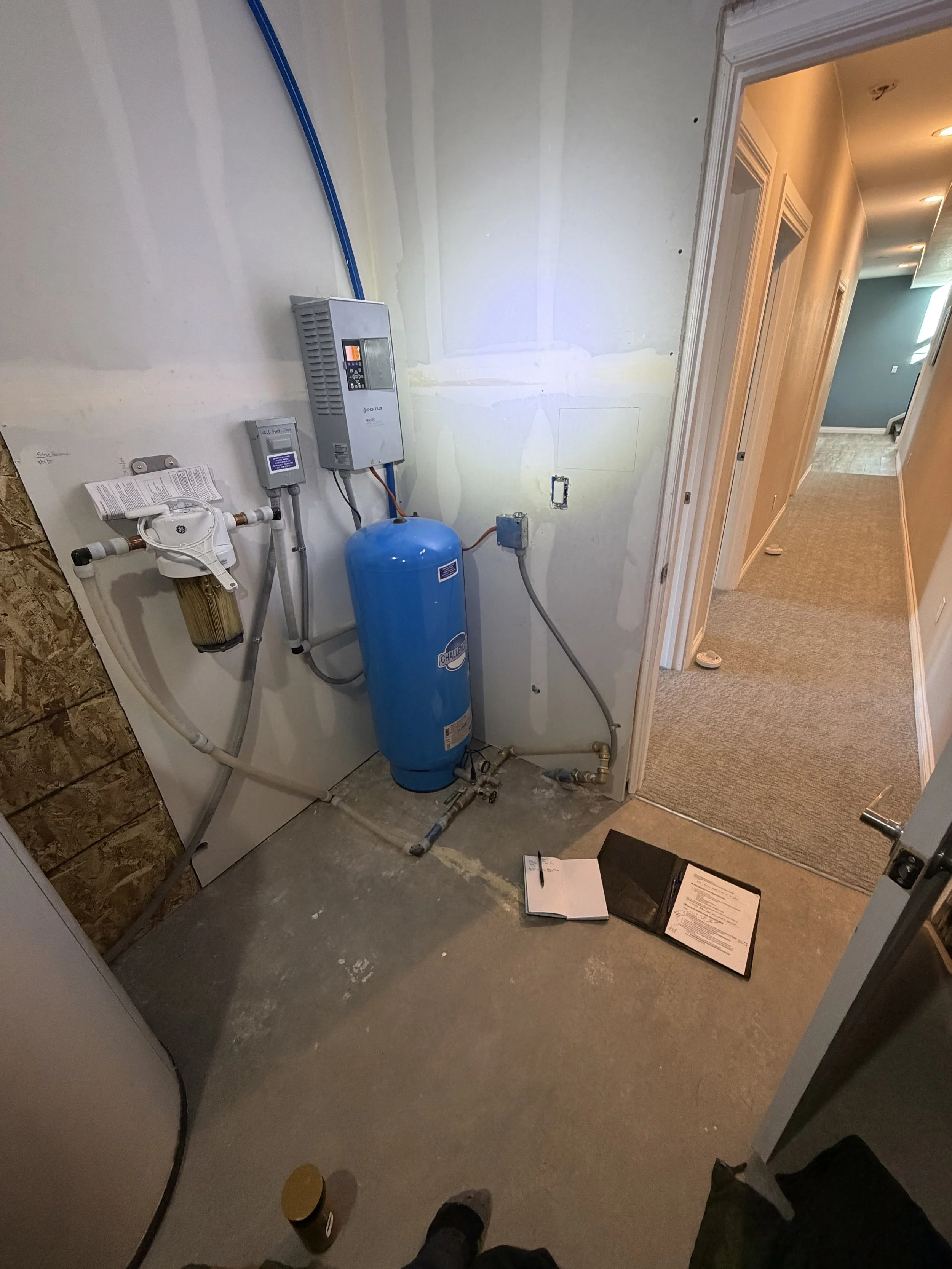
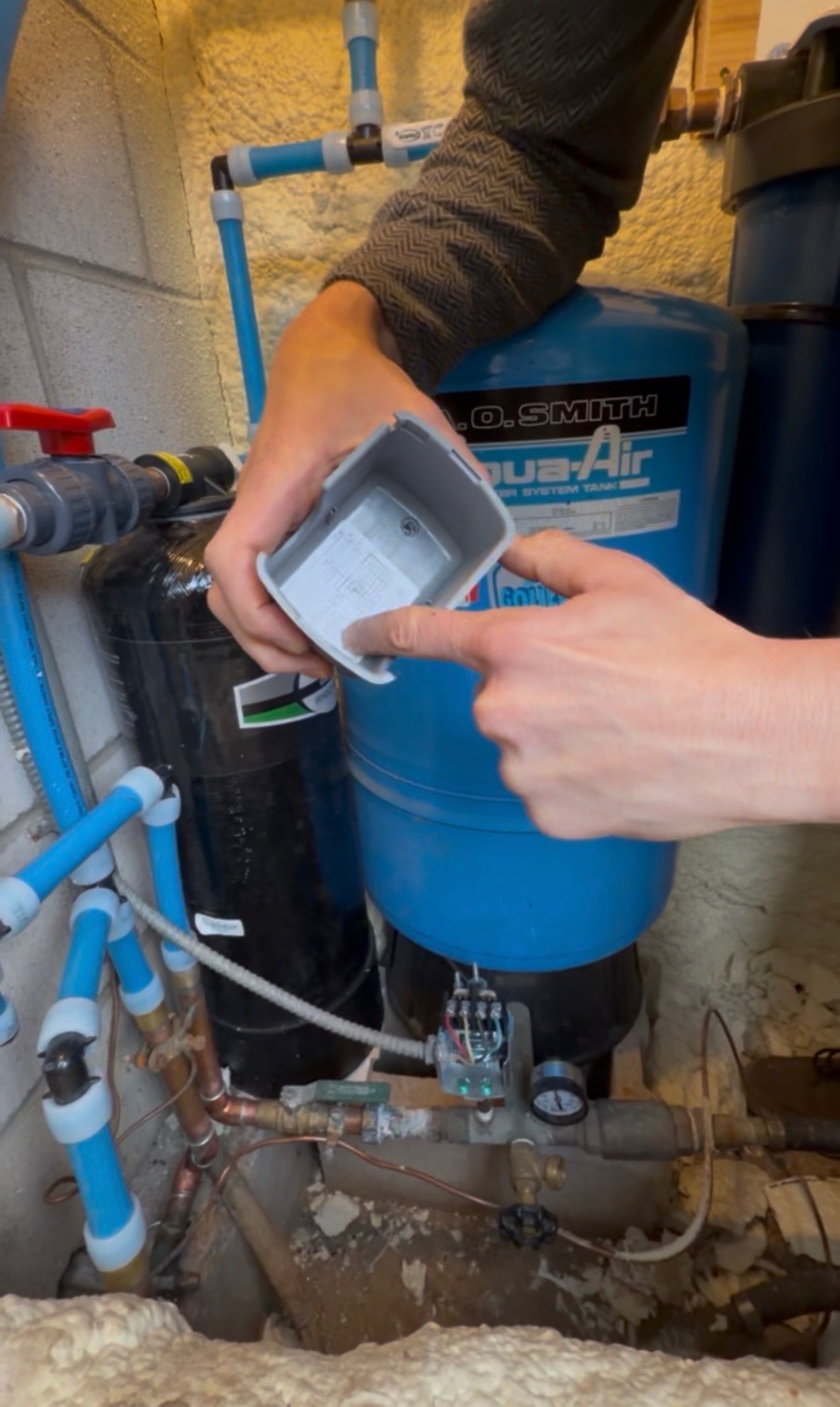
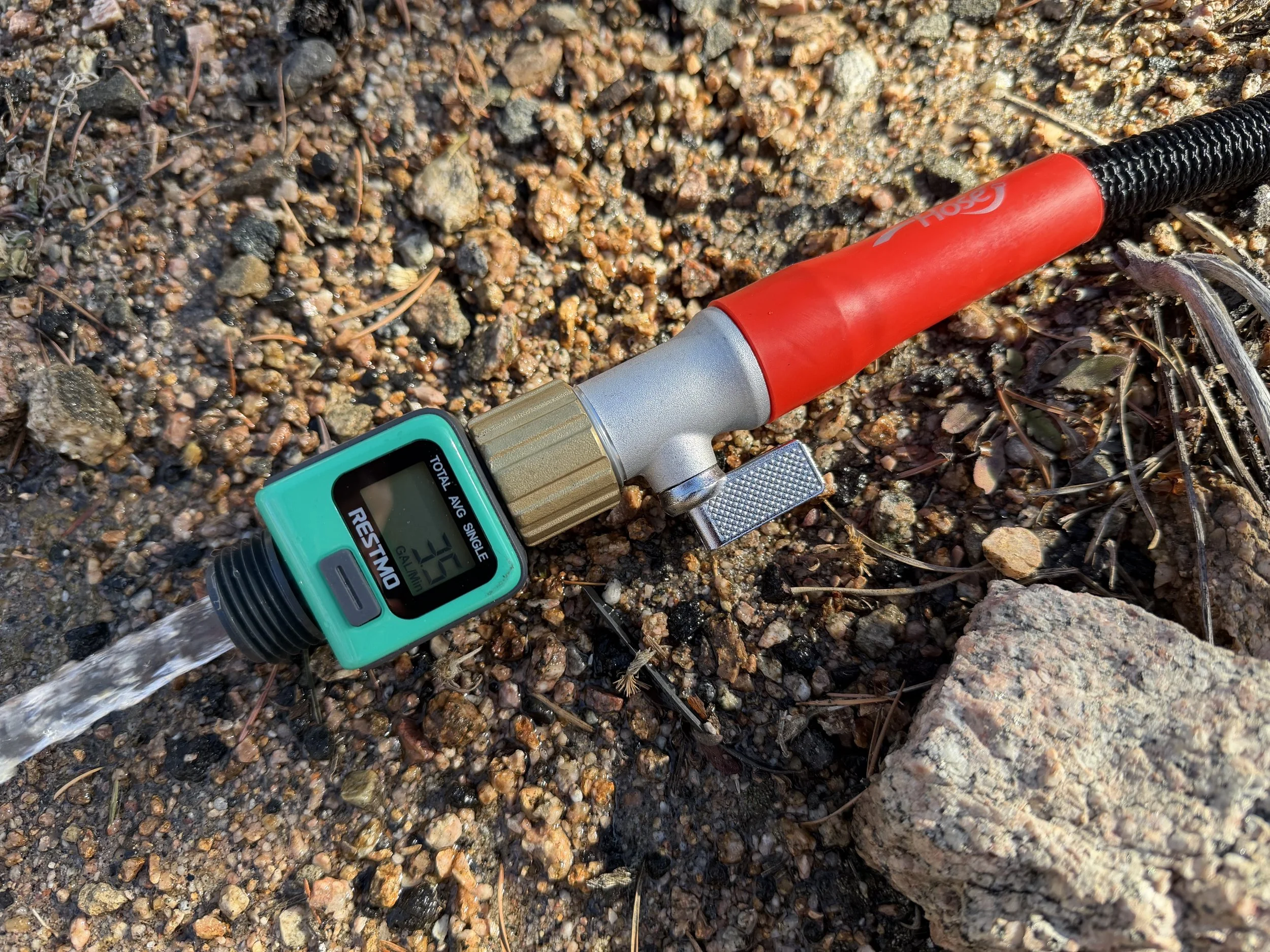
A well water test evaluates both water quality and well performance. Testing includes laboratory analysis of untreated (raw) water for bacteria and other contaminants, along with a production test measuring the well’s flow, pressure, and recovery.
Together, the results help buyers and homeowners understand the quality of their water and whether the well can reliably meet household demand.
Why Test Your Well Water?
Many Colorado homes rely on private wells, which are not routinely monitored like municipal water systems. Testing helps identify bacteria and contaminants, evaluate minerals and metals common in Colorado groundwater, and confirm whether the well can produce enough water for household use.
Important Notes: Well testing reflects conditions at the time of inspection only. Groundwater quality and well yield can vary seasonally. No guarantee of future water quality or production is implied. Subsurface camera inspection is not included.
How Well Testing Varies by Property Type
Well systems differ significantly across the Denver foothills and Summit, Eagle, Park and Clear Creek counties that we offer our well water testing services in. While the testing process is similar, water production, treatment needs, and buyer concerns vary depending on location and property characteristics. You can read more about common scenarios in:
Evergreen well water testing considerations – mountain wells, seasonal production, and wildlife influence
Conifer well inspections – storage systems, recovery rates, and year-round reliability
Parker well water testing – acreage properties, irrigation demand, and lender expectations