

Our Parker, CO Well Water Testing
For properties with wells we offer Well Water Testing to ensure the safety and water production of your well match your family’s needs.
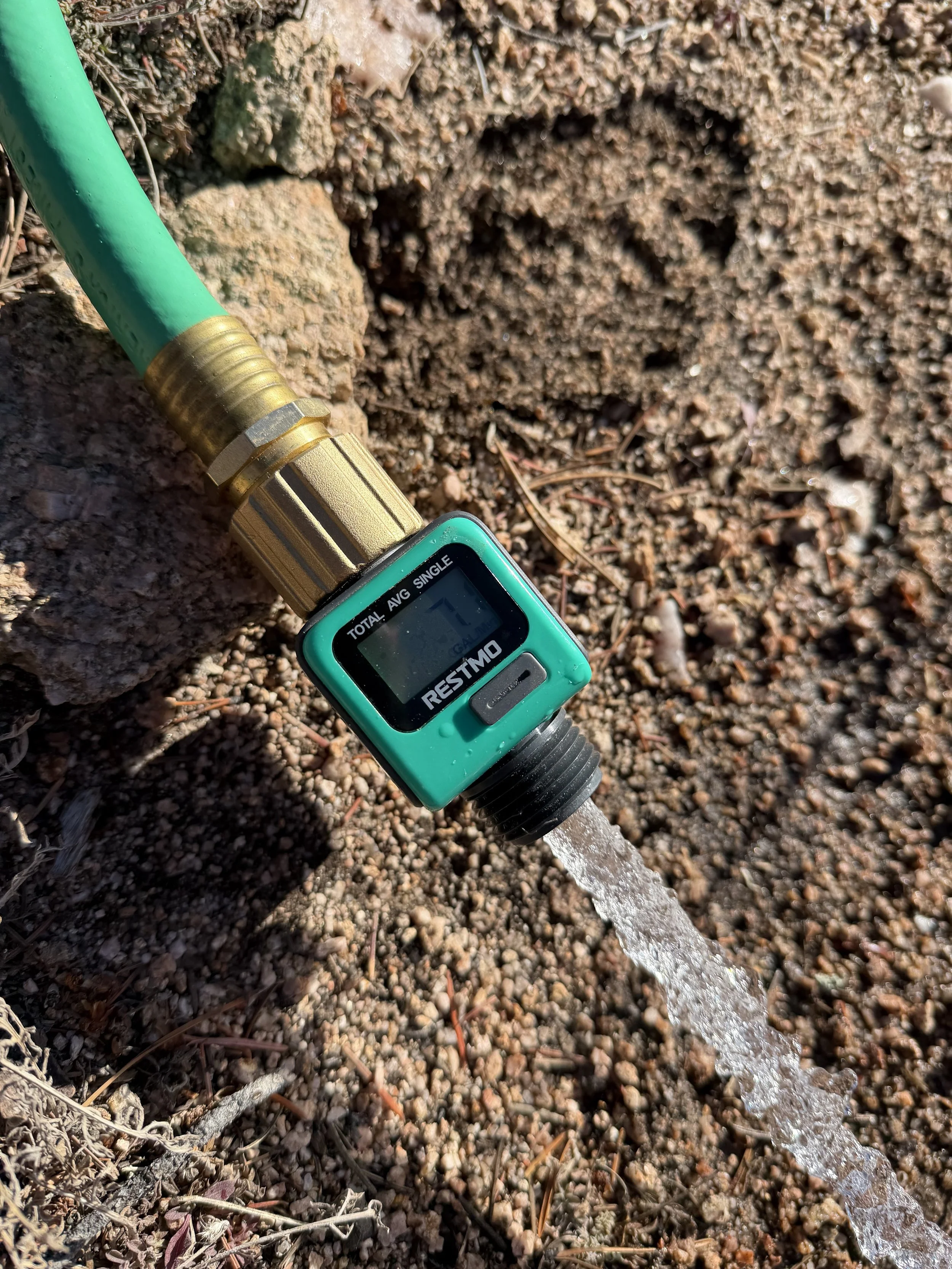
Alpine Building Performance proudly provides top-tier well water testing throughout Parker, CO.
Well Water Characteristics in Parker, CO
Many Parker homes located on larger rural or semi-rural lots rely on private wells that draw from groundwater in the Denver Basin aquifer system. Unlike mountain wells that are drilled into fractured bedrock, Parker wells often extend deeper into sandstone aquifers that can vary significantly in production and water chemistry.
Well depths in the Parker area commonly range between 200 and 800 feet, depending on the specific aquifer and property location. Because many homes also use their wells for outdoor irrigation and acreage landscaping, evaluating both water quality and production capacity is particularly important during a real estate transaction.
Groundwater in portions of Douglas County can also contain naturally occurring minerals such as iron, manganese, and hardness, which may require treatment systems depending on household preferences and water use.
Testing helps buyers understand whether the well system can safely support everyday household use and long-term property needs.
Frequently Asked Questions - Well Water Testing in Parker, Colorado
1. Do I need well water testing when buying a home in Parker, CO?
Many Parker properties on larger lots rely on private wells, and the water source itself is not evaluated during a standard home inspection.
A dedicated well water test in Parker, CO confirms the water is safe and that the system can meet normal household demand. Because you become responsible for your own water supply, testing is an important part of the purchase process before closing.
2. What problems can well water testing identify?
Well testing evaluates issues that are often not visible, including:
Coliform and E. coli bacteria
Nitrates from surface influence
Naturally occurring minerals and metals
Water chemistry that can affect plumbing fixtures
Water may appear clean but still contain contaminants or mineral levels that require treatment. Testing helps determine whether the water is appropriate for drinking, cooking, and daily use.
3. Why is water capacity testing important in Parker homes?
Many Parker wells must support both indoor use and outdoor irrigation.
A well can operate normally during a showing but struggle once occupied. Capacity testing helps determine whether the system can support:
Multiple bathrooms in use
Laundry and dishwasher operation
Lawn or landscape watering
Long-term household demand
Insufficient production is a common concern for buyers transitioning from municipal water to a private well.
4. Why should I have a well test in addition to a standard home inspection?
A standard home inspection evaluates interior plumbing fixtures, but it does not evaluate the water source supplying the property.
A dedicated well inspection in Parker, CO evaluates the well system itself. This typically includes:
Laboratory water sampling
Flow and recovery measurement
Pressure system behavior review
Basic operational checks
Understanding both water quality and supply capacity helps buyers know how the home will function under everyday use.
5. Are there health concerns with private well water?
Private wells are not monitored like municipal systems. Bacteria, nitrates, and natural mineral content can vary from property to property.
Testing allows buyers to identify concerns early and install treatment systems if needed.
6. Do lenders or insurance companies ever require well testing?
Sometimes. Certain loan programs and property types may require water quality testing before closing.
Even when not required, many buyers choose testing to avoid unexpected repairs or water treatment expenses after move-in.
7. When should well testing be scheduled during a purchase?
Testing should occur during the inspection objection period so results are available before negotiations are finalized.
Laboratory processing takes time, so scheduling the Parker well water test early helps prevent closing delays.
8. What happens if a problem is found?
Most well concerns can be addressed. Possible solutions include:
Filtration or softening systems
UV disinfection
Pressure adjustments
Usage planning recommendations
Identifying issues before closing allows buyers to prepare and budget appropriately.
9. Is testing necessary if the water looks clear and tastes normal?
Yes. Appearance and taste are not reliable indicators of water safety or supply capacity. Laboratory analysis and performance evaluation provide a clearer understanding of the system.
For Parker acreage properties, confirming the reliability of the water source is an important step before purchase.