
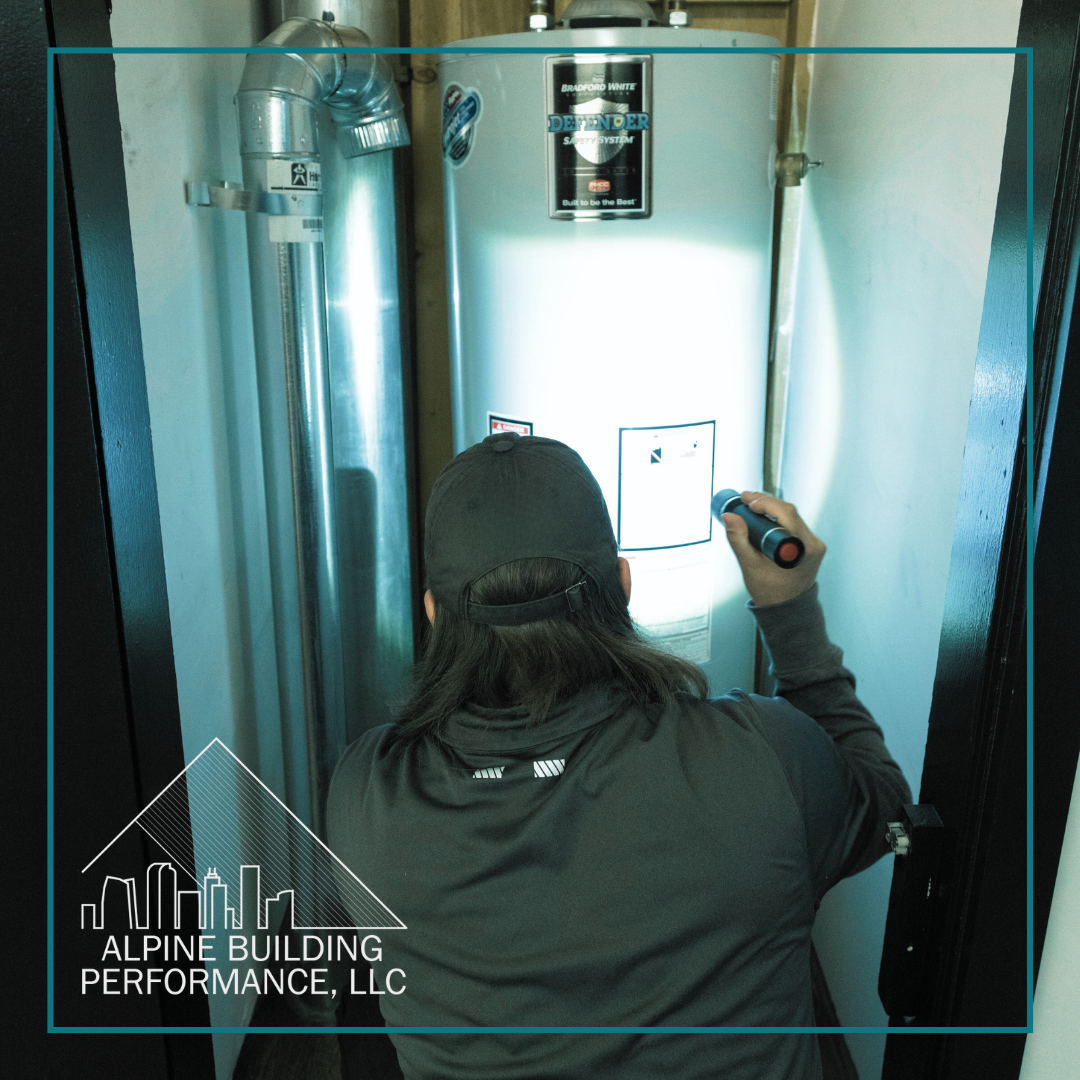
As of January 1, 2026, a new Colorado law is officially changing what gas furnaces and gas water heaters can be sold or installed statewide.
Under Colorado’s Ultra Low NOx Law (HB23-1161), all new gas furnaces and water heaters sold or installed in Colorado must meet Ultra Low NOx emissions standards or be ENERGY STAR® certified.
The goal of the law is to improve air quality, but it also means higher replacement costs and fewer equipment options for homeowners moving forward. This doesn’t require anyone to replace working systems - but it does change what happens when replacement becomes necessary.
Understanding Colorado’s Ultra Low NOx Law (HB23-1161)
Effective: January 1, 2026
Applies to:
New gas furnaces
New gas water heaters
Any gas unit being sold or installed in Colorado
Requirements:
Ultra Low NOx–certified equipment or
ENERGY STAR®–rated systems
Does NOT apply to:
Existing, functional furnaces or water heaters already installed
If your current system works, you can keep it.
When it needs replacement, options and costs look different than they did before 2026.
What Equipment Is No Longer Available
Standard 80% Gas Furnaces - Traditional 80% furnaces no longer meet emissions standards and are no longer sold in Colorado. Any remaining non-compliant inventory was sold through the end of 2025.
Natural Draft (Atmospheric) Water Heaters - Older water heaters that vent naturally through a chimney cannot meet Ultra Low NOx standards due to their open combustion design. These units are being phased out in favor of sealed combustion models.
Why Replacement Costs Are Increasing
Homeowners should expect higher upfront costs when replacing gas furnaces or water heaters.
Common reasons include:
Low-emission burner technology
Sealed combustion requirements
Power venting instead of chimney venting
Electrical connections for fans and controls
More complex installation labor
Typical impact: Replacement costs may increase by $1,000–$2,000 or more, depending on the home’s layout and venting configuration.
High Efficiency Does Not Always Mean Compliant
A common misconception we hear is “If a furnace is high efficiency, it must meet the new law.”
That’s not always true. Efficiency vs. Emissions
AFUE (Efficiency): How much fuel becomes usable heat.
NOx (Emissions): How much pollution the system produces during combustion.
A furnace can be 90 - 95% efficient and still not meet Ultra Low NOx requirements if it lacks the proper burner design or certification.
Efficiency and emissions are different measurements.
What This Means for Homeowners and Buyers
Older systems now carry higher future replacement costs
Homes with aging furnaces or water heaters may require more budgeting
Compliant, recently upgraded systems can add value
Buyers should plan ahead - especially in homes built before 2000
What This Means for Sellers
Aging mechanical systems may affect pricing or negotiations
Buyers may request credits due to increased replacement costs
Homes with compliant upgrades may stand out in the market
Transparency around system age helps avoid last-minute surprises
Why Colorado Is Targeting NOx Emissions
NOx (nitrogen oxides) contribute to:
Smog and poor air quality
Respiratory and asthma issues
Environmental damage
Colorado has struggled to meet federal air quality standards, and this law is part of a broader effort to reduce pollution from everyday household appliances.
Bottom Line - No one is required to replace working equipment
Replacement costs are rising due to cleaner technology
Equipment options are more limited than before
Planning ahead matters more than ever
Understanding these changes early helps homeowners, buyers, and sellers make informed decisions, without surprises.