
For many homeowners across the Denver foothills, Parker, Elizabeth, Castle Rock, and other acreage communities, a private well is the primary source of water for the household, property, and sometimes livestock. Unlike municipal water systems that are monitored daily, private wells are the responsibility of the homeowner.
That means the only way to truly understand the safety and reliability of the water supply is through professional well inspection and water quality testing.
Protecting the Health of Your Family
Water from a private well can appear clear and taste normal while still containing contaminants. Colorado groundwater in certain areas may contain naturally occurring minerals or bacteria that cannot be detected without laboratory testing.
Common concerns found during testing include:
• Bacteria such as Total Coliform and E. coli
• Naturally occurring minerals and metals including arsenic and uranium
• Nitrates from nearby agricultural activity or environmental sources
For families, especially those with young children, elderly residents, or individuals with compromised immune systems, untreated or contaminated well water can present health risks. Testing provides clear answers about the current condition of the water and whether treatment systems are needed.
Ensuring Reliable Water for Everyday Living
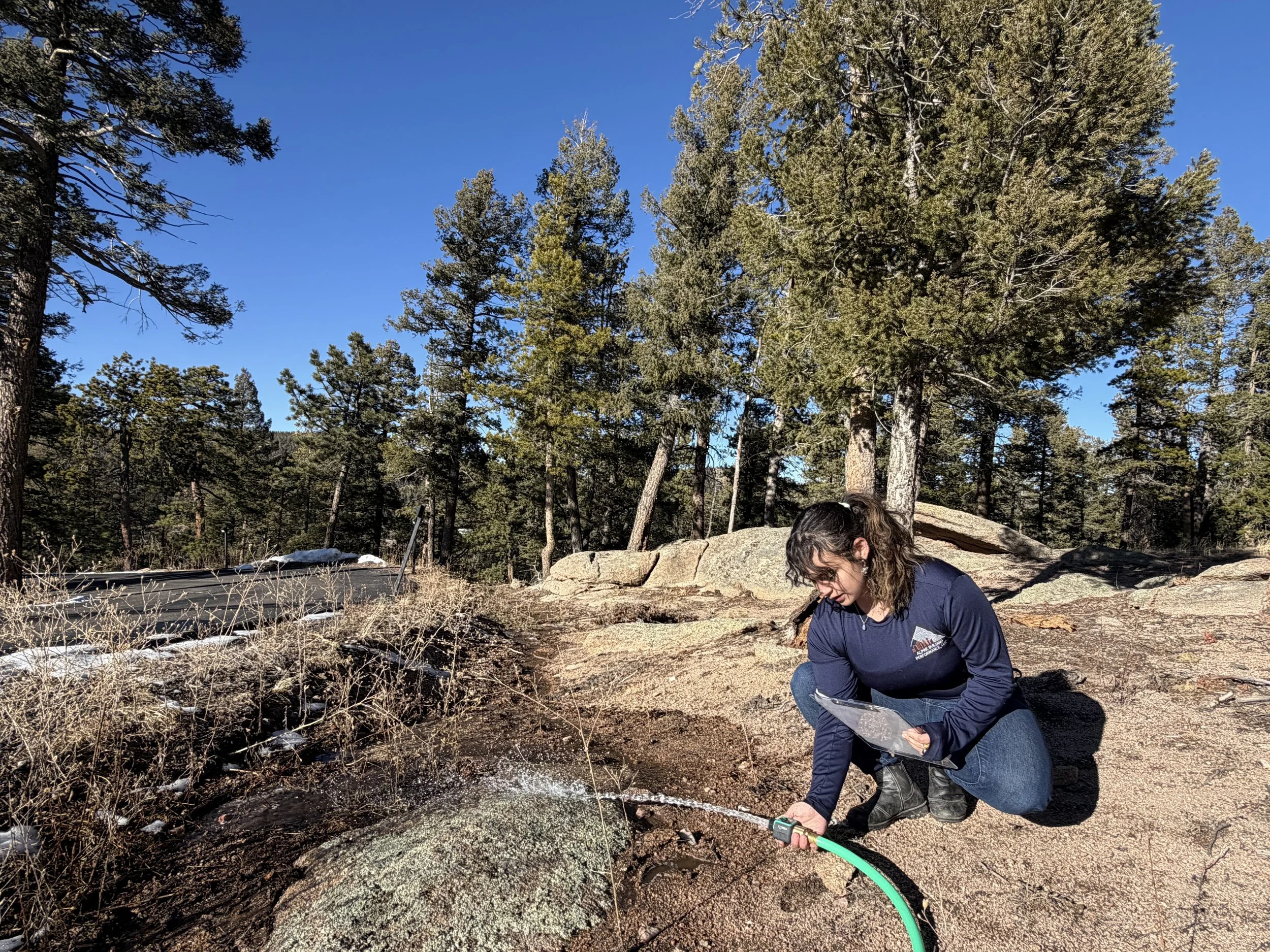
Beyond water quality, a well must also produce enough water to support the household. During a well inspection, professionals evaluate factors such as:
• Flow rate
• Pressure behavior during use
• Recovery after sustained water demand
These measurements help determine whether the well can reliably support daily activities like showers, laundry, irrigation, and household appliances. Understanding these conditions is especially important for buyers purchasing a home with a private well system.
Supporting Livestock and Agricultural Use
For rural properties and small acreage farms, the well often supplies water for horses, cattle, goats, chickens, and other livestock. Animals rely on consistent, clean water to remain healthy.
Contaminants that may not be obvious to the eye can impact animal health, reproduction, and overall herd wellbeing. Minerals, bacteria, or chemical contaminants in groundwater can affect digestion, hydration, and long-term health of livestock.
Testing helps property owners confirm that the water source supporting both the home and animals is safe and sustainable.
Why Testing Is Important During Real Estate Transactions
When purchasing a home with a well, buyers are often unfamiliar with the history or condition of the system. Because water clarity, taste, or seller disclosures cannot confirm water safety or supply capacity, testing provides objective information before closing.
A well inspection and water test help buyers understand:
• If the water is safe for household use
• Whether treatment systems may be needed
• If the well can meet the demands of the home and property
This information allows buyers to move forward with confidence and avoid unexpected surprises after moving in.
Well Testing Designed for Colorado Conditions
Groundwater conditions vary across Colorado depending on geology, land use, and environmental factors. Professional well testing provides a snapshot of current conditions, helping homeowners make informed decisions about their water supply.
At Alpine Building Performance, we provide certified water sampling and professional well inspections tailored to the groundwater conditions commonly found throughout the Denver Metro and surrounding rural communities.
Want more clear, reliable information about well water quality in Colorado? LEARN MORE at: https://coloradowellwater.com/communities/evergreen-conifer