

Our Denver, CO Lead-Based Paint Testing
We offer lead-based paint testing to identify potential lead dust issues before a homeowner begins a renovation, starts a family or is surprised by it’s presence in a pre-1978 home.
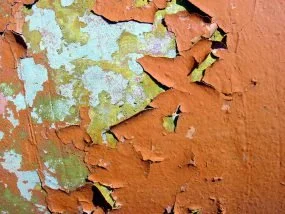
Alpine Building Performance proudly provides top-tier lead-based paint testing throughout Denver, CO.
Lead Paint Risk in Older Denver Homes
Denver has one of the largest inventories of early-20th-century housing in Colorado. Neighborhoods such as Park Hill, Capitol Hill, Baker, and Congress Park contain thousands of homes built before 1950, when lead-based paint was widely used in residential construction.
Even when homes have been renovated, older paint layers often remain beneath modern coatings on trim, windows, doors, and exterior siding. Because many Denver buyers purchase older homes with plans to remodel kitchens, refinish windows, or update interior finishes, identifying whether lead is present can help guide safe renovation practices.
Lead-based paint testing helps clarify whether historic materials remain so homeowners can plan maintenance or improvement projects appropriately.
Frequently Asked Questions - Lead-Based Paint Testing in Denver, Colorado
1. Do I need lead-based paint testing when buying a home in Denver, CO?
Many homes in Denver were built before 1978, the year residential lead paint was banned in the United States. Because of this, buyers often encounter properties where lead-based paint may still exist beneath newer coatings.
A dedicated lead paint test in Denver, CO helps confirm whether lead hazards are present so buyers can make informed decisions before closing.
2. Doesn’t the seller already disclose lead paint?
Sellers of pre-1978 homes must provide a disclosure form, but the disclosure usually states whether they have knowledge of lead — not whether testing has actually been performed.
In many transactions, no laboratory confirmation exists. Testing provides objective information rather than relying on historical records or assumptions.
3. Why is lead paint a concern if the home looks well maintained?
Lead hazards typically occur when paint deteriorates or is disturbed during normal living or renovation.
Common situations include:
Window operation creating dust
Door friction surfaces
Chipping trim or baseboards
Remodeling activities
A property can appear updated while still producing lead dust under certain conditions.
4. Why do buyers add lead testing for pre-1978 homes?
For homes built before 1978, buyers often want confirmation about painted surfaces before moving in or making improvements.
Adding a lead-based paint inspection in Denver during due diligence helps buyers:
Understand potential exposure risks
Plan renovations safely
Avoid unexpected mitigation costs later
For this reason, some buyers include lead testing as part of a more comprehensive evaluation such as the Home Health Package Plus, while others request it individually depending on the property and their plans.
5. Are there health concerns associated with lead exposure?
Lead exposure most commonly occurs through inhaling or ingesting fine dust from painted surfaces. It can be particularly relevant for young children and long-term occupants.
Testing helps identify potential exposure sources so maintenance or mitigation strategies can be planned early.
6. Can current homeowners benefit from lead testing?
Yes. Many homeowners request lead paint testing in Denver, CO before starting renovations or when planning for children in the home.
Knowing whether lead is present helps guide safe repair work, cleaning practices, and future improvements.
7. When should lead testing be performed during a purchase?
Testing should be scheduled during the inspection objection period so results are available before negotiations are finalized.
Laboratory analysis takes time, so early scheduling helps avoid closing delays.
8. What happens if lead is found?
Finding lead paint does not automatically make a home unsafe or unlivable.
Possible responses include:
Monitoring painted surfaces
Encapsulation coatings
Targeted repair during renovation
Professional remediation if desired
Testing helps buyers choose an appropriate approach for the property.
9. Is testing recommended even if I don’t have children?
Many buyers and owners still choose testing for renovation planning. Disturbing older painted surfaces without knowing their composition can create avoidable exposure.
Knowing whether lead is present allows projects to be planned safely.
10. Why is lead testing especially relevant in Denver homes?
Denver has a large concentration of early-20th-century and mid-century housing. Even renovated properties often retain original layers beneath modern finishes.
A Denver lead paint test clarifies whether older materials remain and how they should be managed during ownership.