
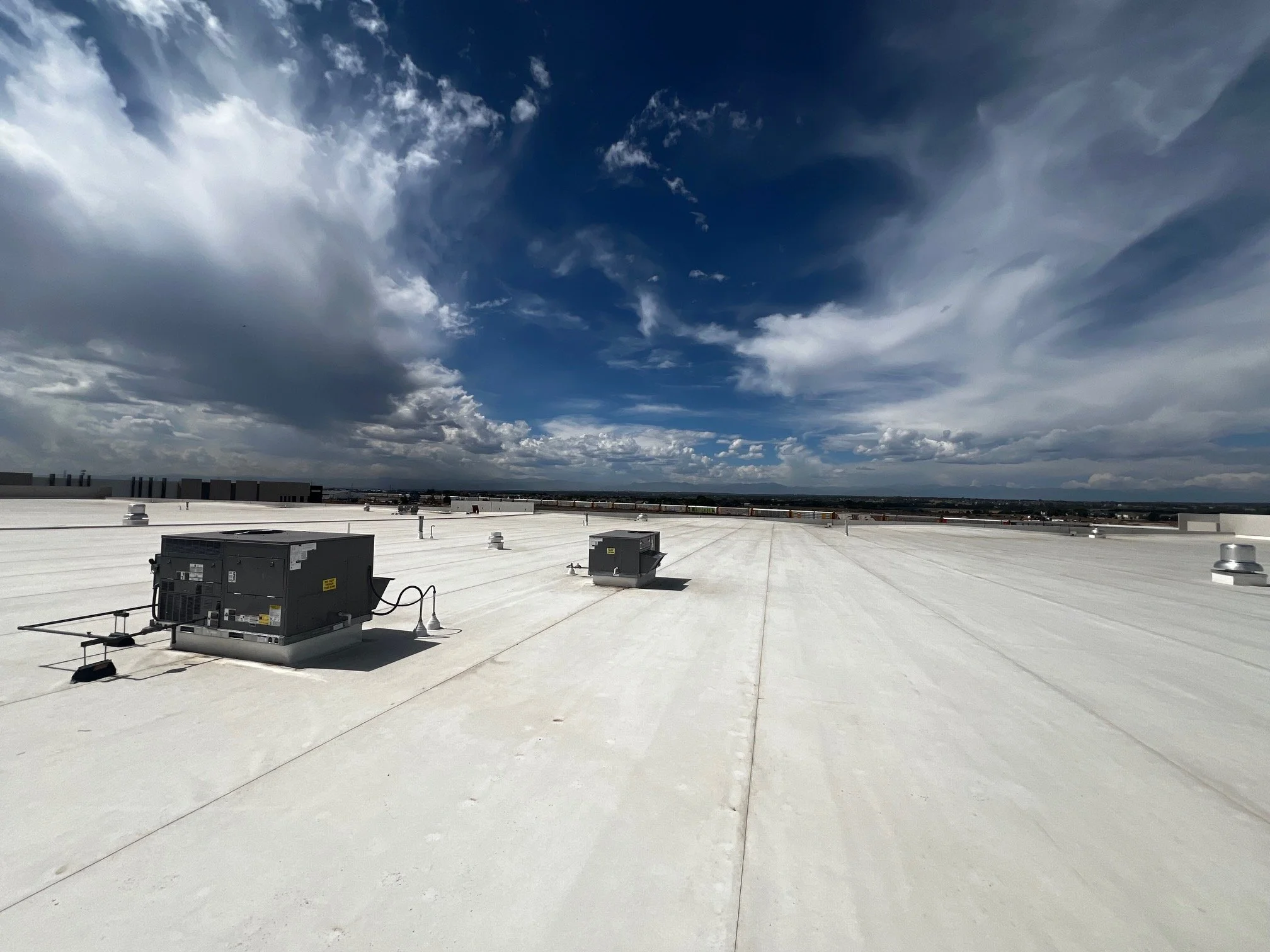
One of the biggest shifts right now in Colorado CRE from a building systems standpoint is that mechanical equipment is no longer just a condition discussion. It is becoming a policy and planning variable during due diligence.
Ultra Low NOx standards are tied to equipment category and input capacity, not building classification. In practical terms, this captures many fan-type furnaces under roughly 175,000 BTU and gas water heaters up to about 2,000,000 BTU, with tighter emissions thresholds applied below 75,000 BTU. Because a large portion of small office, retail and professional buildings use these residential-scale systems, future replacements may involve different equipment availability, revised venting strategies or longer coordination timelines. For brokers, the implication is simple: mechanical sizing and configuration are becoming due diligence variables that influence capital planning and deal certainty, not just maintenance considerations.
What this actually means in a transaction:
• Equipment age matters more than ever. A 15 or 20 year old furnace is not just nearing end of life, it may trigger a different replacement pathway when it fails.
• Mechanical configuration now influences project risk. Closet furnaces, sidewall venting and tight mechanical rooms may limit future equipment choices.
• Replacement timelines can affect tenant coordination, TI planning and lease negotiations if equipment fails mid term.
How brokers can frame this with clients:
• Position it as lifecycle planning, not compliance pressure. Existing systems can remain in service.
• Encourage buyers to understand what equipment type is installed and when replacement is likely rather than focusing only on today’s condition.
• Help clients see inspections as a planning tool that reduces surprises later in ownership, especially for smaller multi tenant properties.
The takeaway is simple. Mechanical systems are becoming part of long term risk strategy, not just a checkbox during inspection. The earlier these conversations happen, the more predictable ownership becomes.
If you want help evaluating mechanical risk on an upcoming deal or portfolio, we are here to help.