
Lead-based paint risks vary widely by home age. Learn the likelihood of lead presence by construction year and why testing matters for safety in older homes.

ABP | BLOG
Lead is a toxic metal that poses serious health risks, especially to children and pregnant women. Despite its dangers, lead was commonly used in paints, pipes, and other building materials until it was banned in residential properties in the late 1970s. Today, many older homes still contain lead-based materials, creating potential health hazards for their occupants.
Exposure to lead can cause a range of health problems. In children, lead poisoning can result in developmental delays, learning difficulties, irritability, and weight loss. For adults, lead exposure can lead to high blood pressure, joint and muscle pain, difficulties with memory or concentration, and complications during pregnancy. The effects of lead poisoning are often irreversible, making prevention and early detection critical.
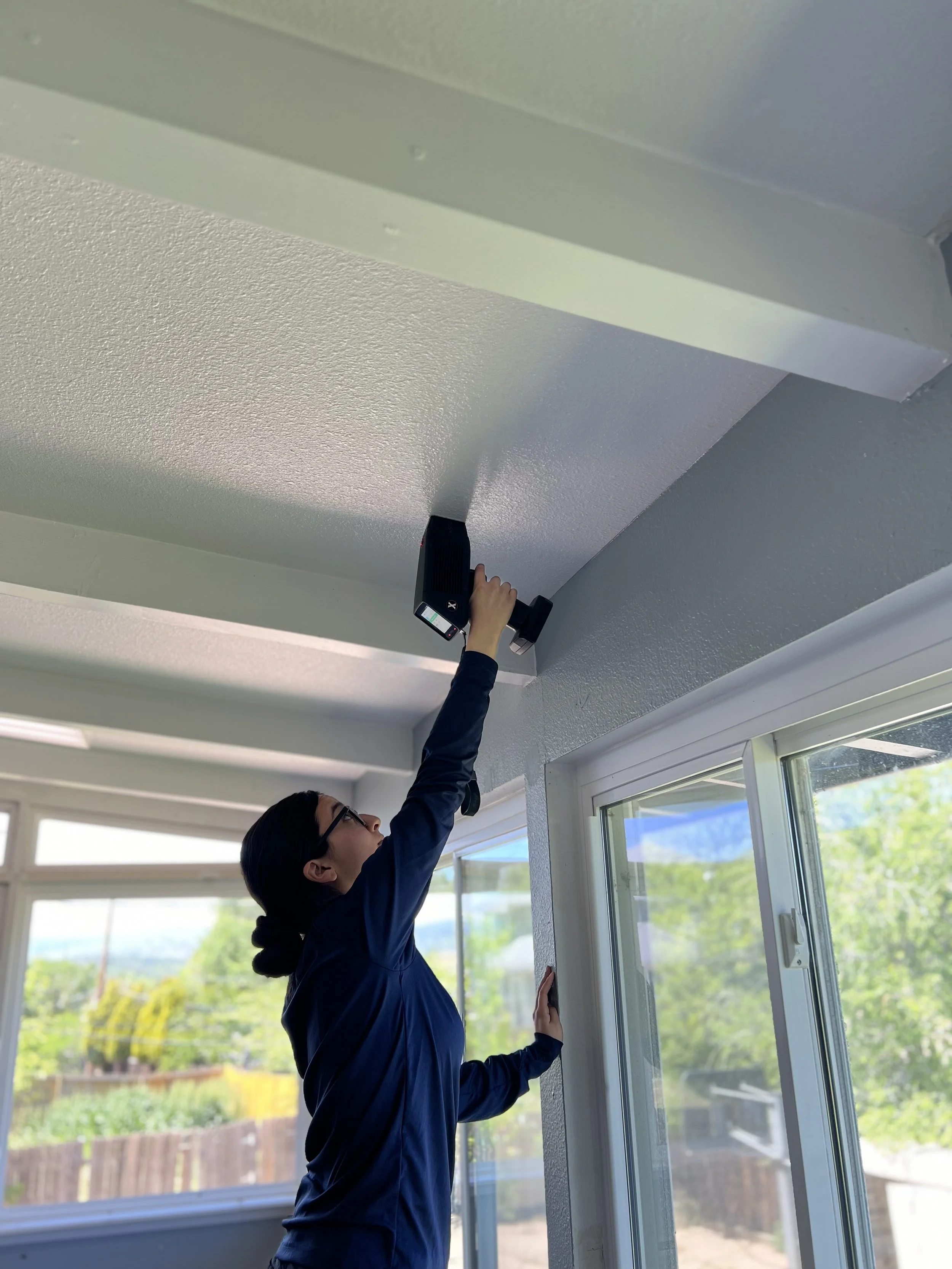
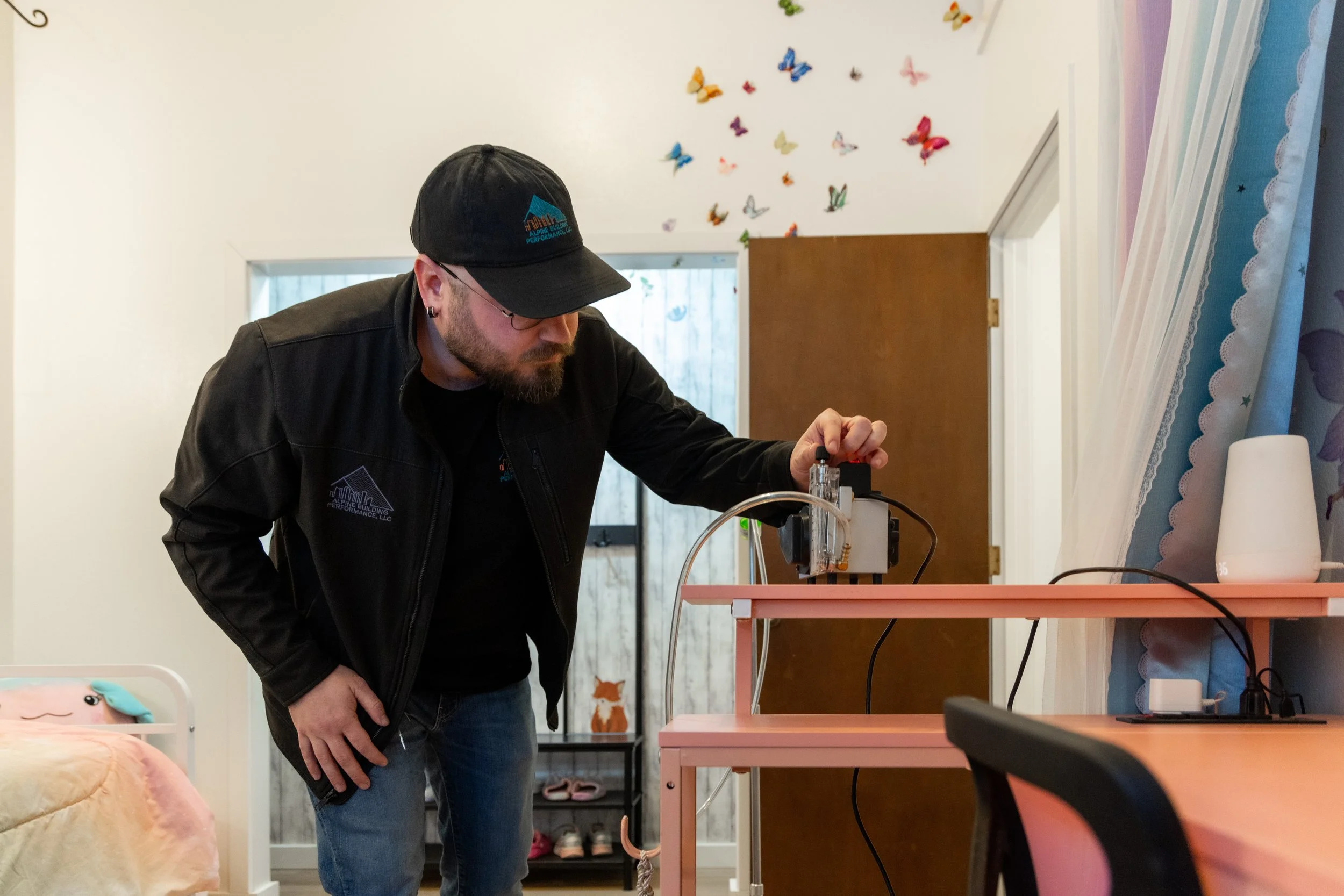
Because lead is not always visible to the naked eye, it is essential to have a professional inspection if you suspect its presence in your home. Our certified lead inspectors use specialized and non-invasive analyzers to detect lead based paint in the home, no matter if it's been painted over. This thorough inspection process ensures that all potential sources of lead based paint are identified.
Attempting to test for lead yourself or ignoring the potential presence of lead can be dangerous. Disturbing lead-based materials during renovations or repairs can release toxic dust into the air, putting everyone in the home at risk.
Given the severe health risks associated with lead exposure, it is crucial to rely on professional inspections to ensure your home is safe. Protecting your family's health and well being should always be a top priority, and professional lead inspections are a vital part of maintaining a safe living environment.
When you think of lead paint, you might assume it only poses a risk during remodeling or renovation projects. However, lead paint can be a hidden danger in your home even if you’re not planning any major changes. Homes built before 1978 are particularly susceptible to containing lead-based paint, and the risks it poses to your family’s health are significant and ongoing.
The Silent Threat of Lead Paint
Over time, lead paint can deteriorate, leading to the release of toxic lead dust. This dust can settle on surfaces throughout your home, becoming a part of your everyday environment. Even simple activities like opening and closing windows or doors can disturb lead paint, releasing particles into the air that are easily inhaled or ingested.
Children are especially vulnerable to lead poisoning, as they often put their hands or objects in their mouths. Lead exposure can cause a range of health issues, including developmental delays, learning difficulties, and behavioral problems. For pregnant women, lead exposure can affect fetal development, leading to serious complications.
Why Testing Matters
You don’t need to be remodeling for lead to pose a risk. Testing your home for lead paint is a proactive way to safeguard your family’s health. By identifying the presence of lead, you can take steps to minimize exposure, whether that means sealing or removing the lead paint or simply adopting safer practices in your home.
Even if your home seems safe on the surface, hidden dangers could be lurking in the form of lead dust. Testing provides peace of mind, ensuring that you and your loved ones are living in a healthy environment.
Protect Your Family’s Health
A lead paint test is a small investment in your home’s safety that can prevent major health issues down the road. Whether you have young children, are expecting, or simply want to ensure a safe environment, it’s worth considering lead testing as a crucial part of your home maintenance routine.