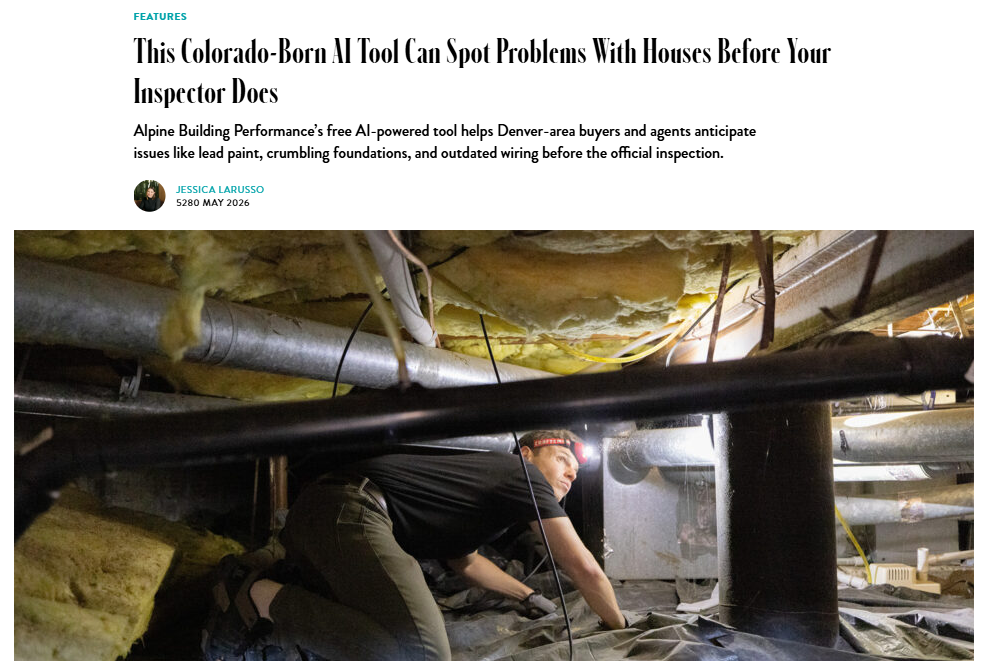
We're excited to share that Alpine Building Performance was recently featured in 5280 Magazine for our innovative AI-powered Inspection Forecaster, Alpine Intelligence.

ABP | BLOG
When it comes to keeping your basement dry and your plumbing flowing smoothly, two systems often come into play: sump pumps and sewage ejector pumps. While they may sound similar, they serve very different purposes. Here's a breakdown to help you understand the difference and why it matters.
What Is a Sump Pump?
A sump pump is designed to remove groundwater that collects in a sump pit, usually located in the lowest part of a basement or crawlspace. This pump activates automatically when water levels rise and sends the water away from the home, often through a discharge pipe that leads outside.
Purpose:
Prevent basement flooding
Protect foundation from water damage
Manage high water tables or heavy rains
Common in Homes With:
Basements below the water table
Poor exterior drainage
History of water intrusion
What Is a Sewage Ejector Pump?
A sewage ejector pump is used to pump out wastewater from bathrooms, laundry rooms, or other plumbing fixtures located below the main sewer or septic line. Since gravity alone can’t move waste upward, an ejector pump is installed to push it up into the main sewer system.
Purpose:
Move solid and liquid waste from basement bathrooms or laundry
Prevent sewage backups
Comply with plumbing code in finished basements
Includes a Sealed Pit: Unlike a sump pit, a sewage ejector basin must be sealed to contain odors and gases, and is connected to a vent stack.
If you’re finishing your basement or purchasing a home with plumbing below grade, make sure your system is correctly installed and maintained.
We are always impressed when an agent is able to intelligently communicate inspection findings and knowledge to their client during the inspection process. Having a working knowledge of common inspection issues can help you set expectations, avoid surprises, and win major credibility with clients.
Here are the top 10 home inspection topics every residential agent in Colorado should be familiar with:
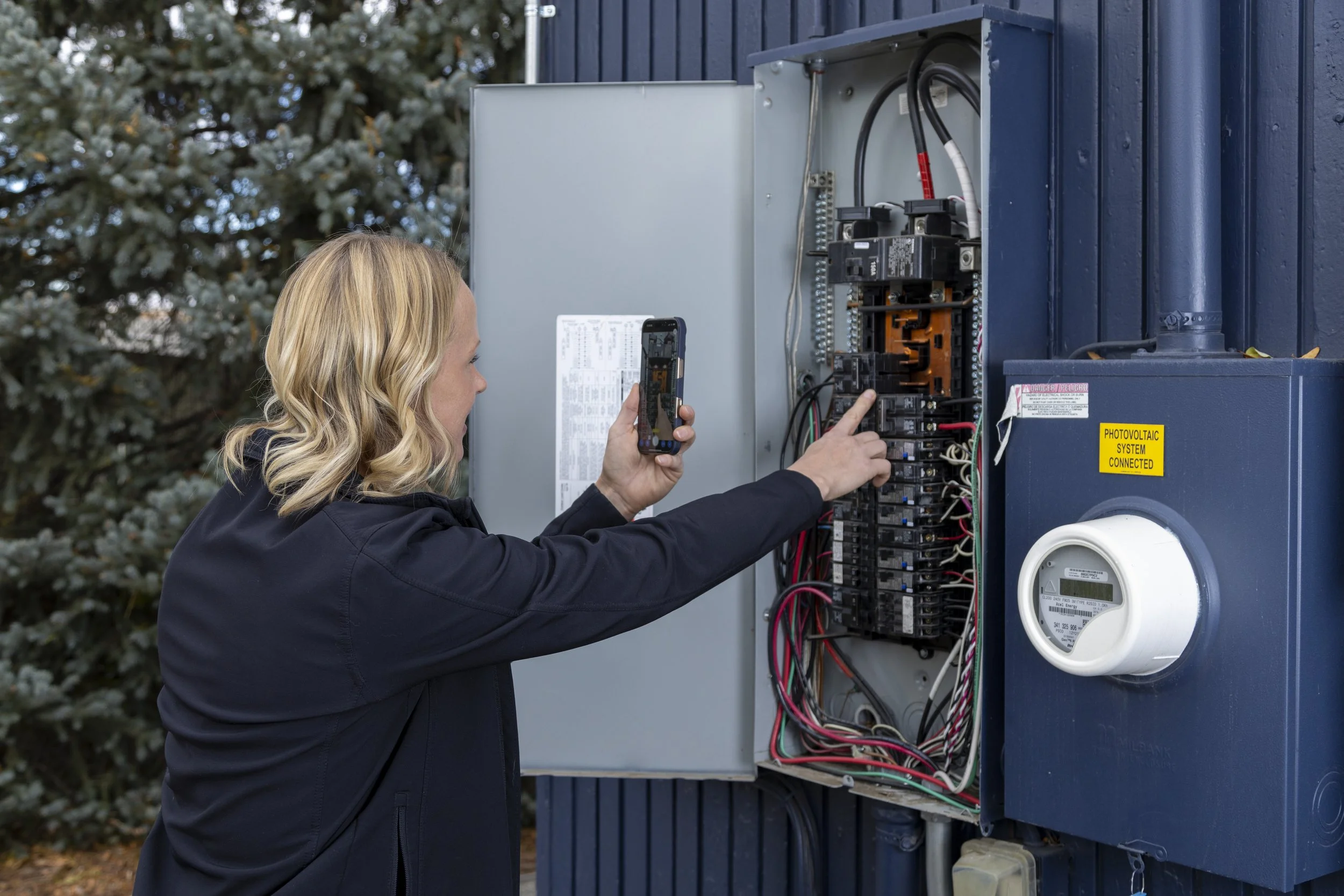
Aluminum Wiring
Common in homes built mid-60s to mid-70s. Is a fire hazard if not properly repaired and is flagged for detailed evaluation and repair.
Federal Pacific & Zinsco Panels
These outdated electrical panels are known to fail under load and are always called out for replacement.
High Radon Levels
Radon is common in Colorado due to our geology. Anything ≥ 4.0 pCi/L is recommended for mitigation.
Polybutylene & Galvanized Pipes
These older plumbing materials are prone to failure and often lead to insurance or resale concerns.
Aging HVAC Systems
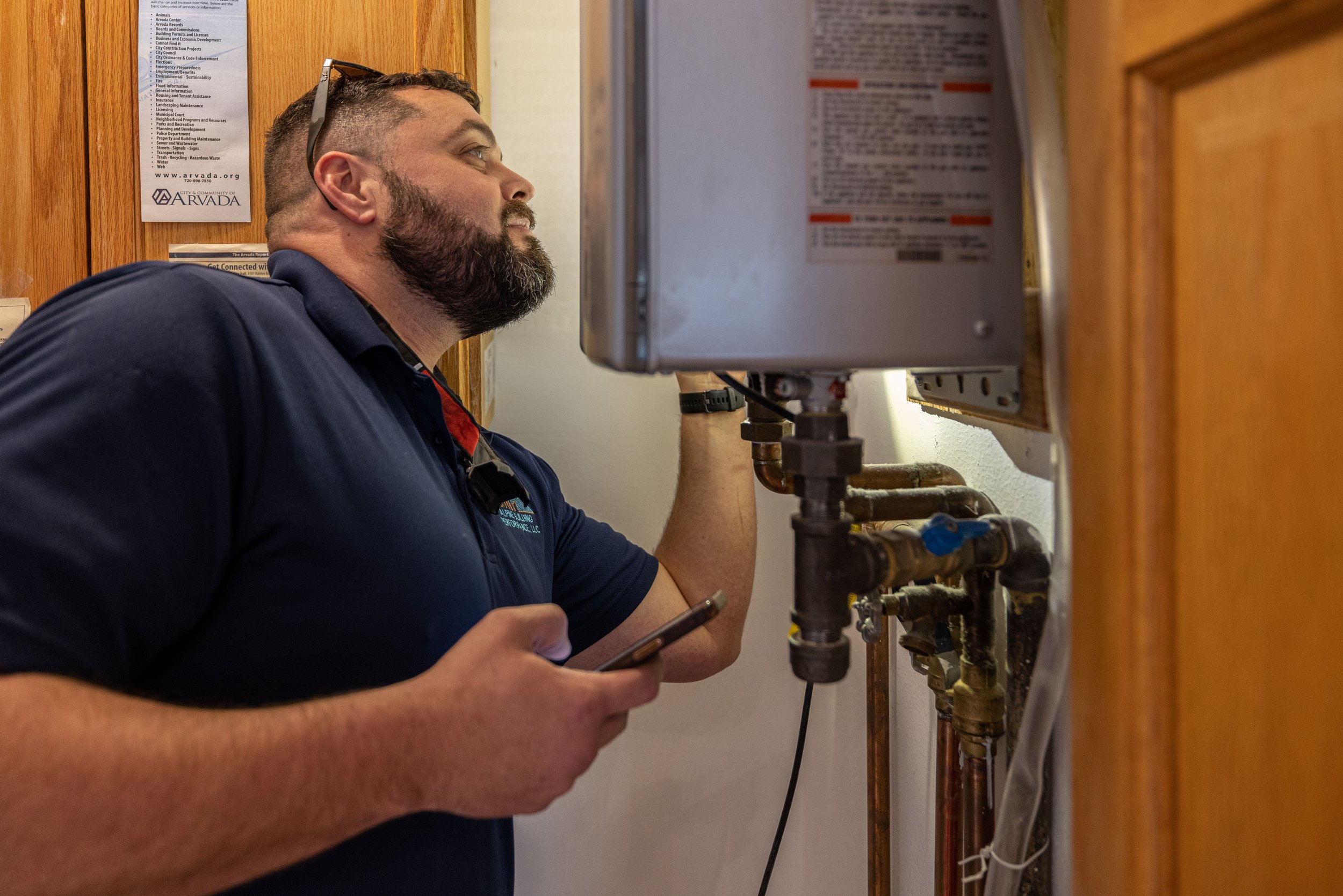
Furnaces over 25 years and A/Cs over 15 years are at or near end-of-life.
Asbestos-Containing Materials
Common in older homes (especially popcorn ceilings, duct wrap and flooring). Asbestos can’t be confirmed visually and testing is required for confirmation.
Roof Age & Condition
Understanding roof hail damage and claims is key in our climate. Knowing what to do with an inspector's findings is key. Insurance companies often require documentation or inspection.
Grading & Drainage Issues
Poor grading can lead to foundation moisture issues, especially with Benonite clay soils in Colorado.
Sewer Line Concerns
Root intrusion, bellies, and breaks are common. Sewer scopes are highly recommended—even on newer homes.
Structural Movement
Colorado’s expansive Bentonite clay soils can cause foundation shifting or settlement cracks. Minor cracks = common. Major displacement = concern.
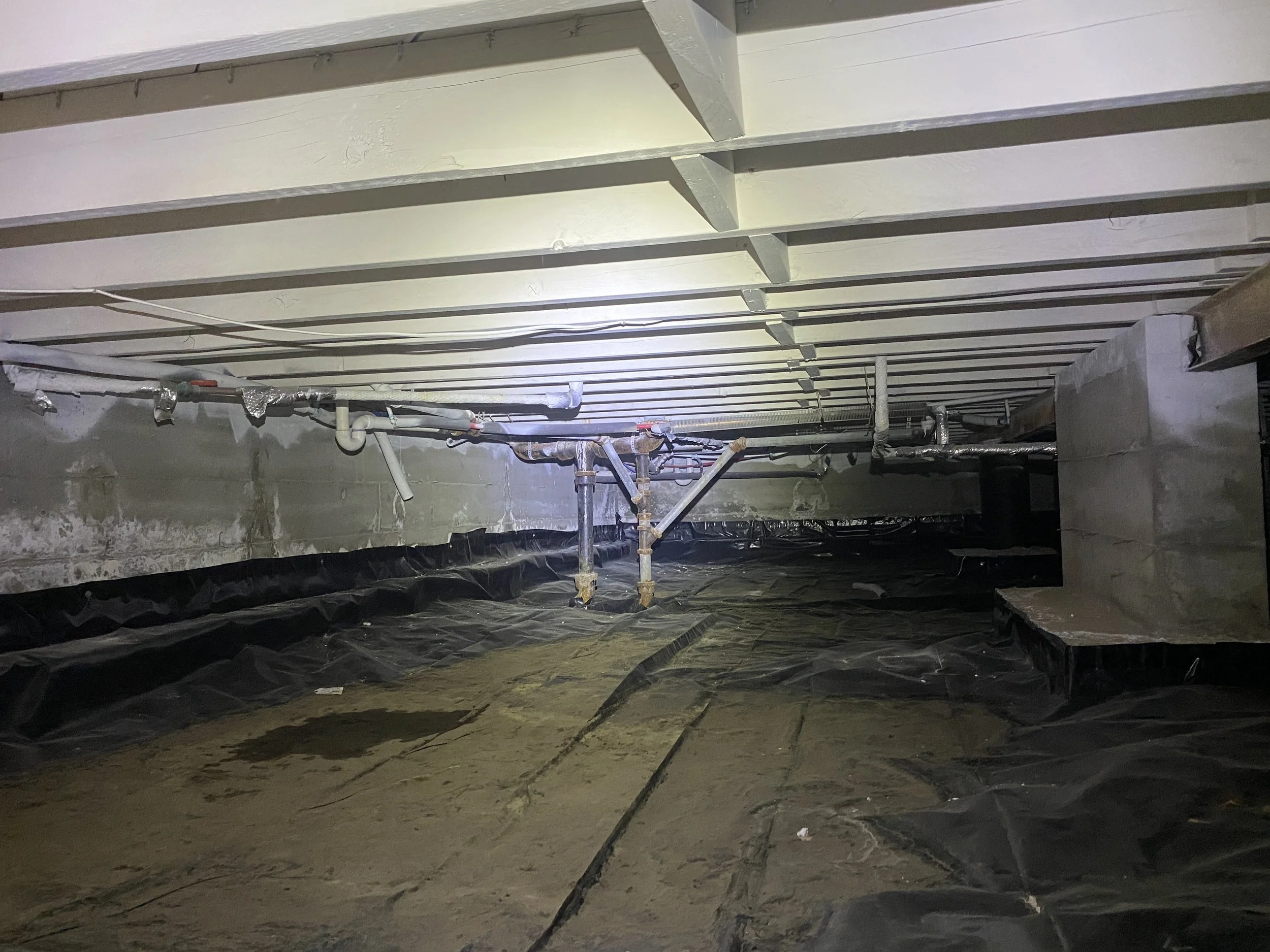
Crawl space foundations, while common, require proactive maintenance to prevent moisture intrusion, structural movement, and energy loss. Understanding how expansive soils interact with crawl space foundations can help homeowners protect their investment and ensure a stable, comfortable living environment.
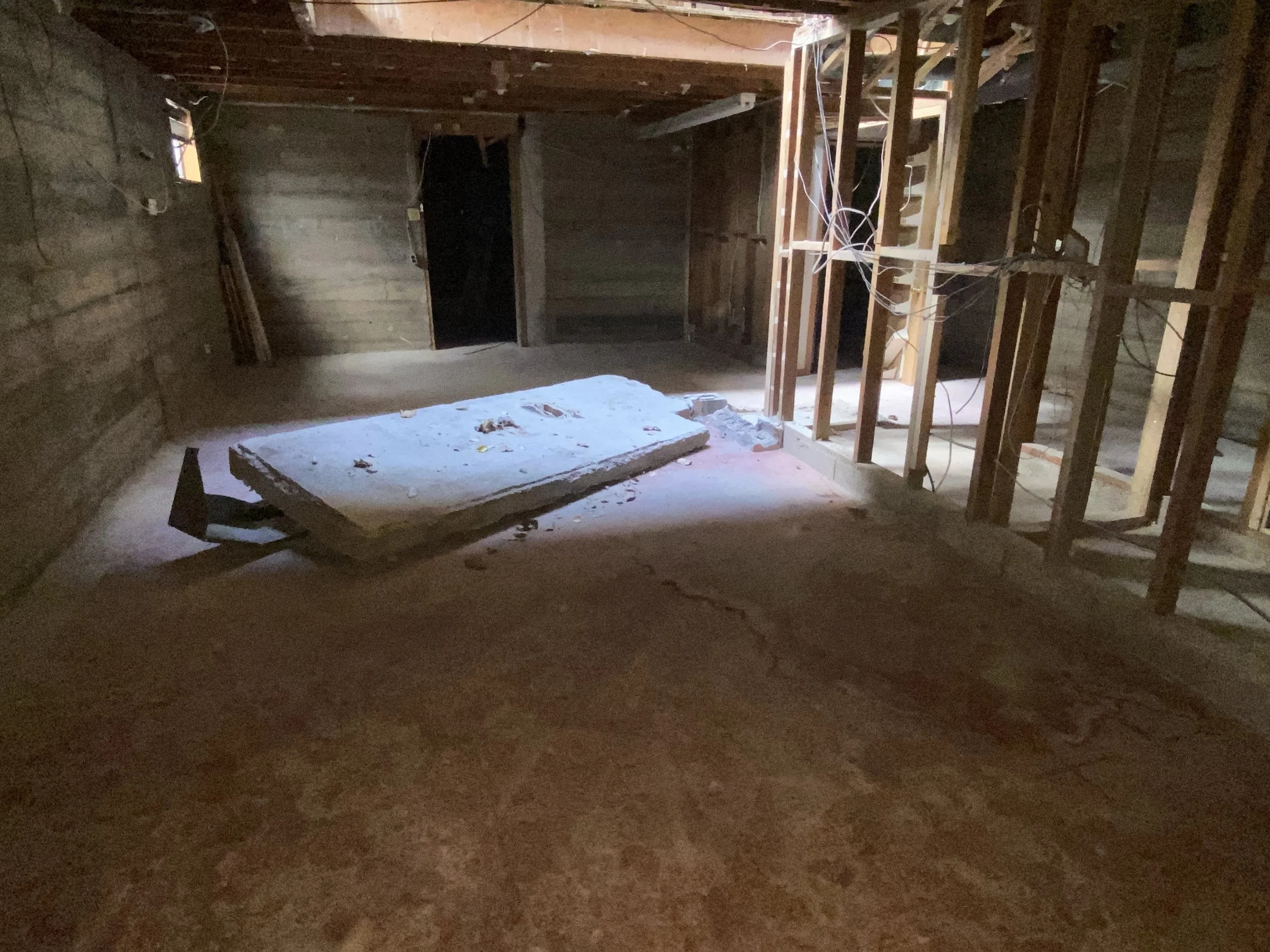
Basements are an extremely common feature in Colorado homes due to the region’s expansive soils and the need for additional living space. While basements provide valuable square footage and extra protection against the elements, they also introduce unique structural challenges. In this installment of our series, we’ll explore common basement foundation types, potential defects, and how to determine when foundation issues require further evaluation.
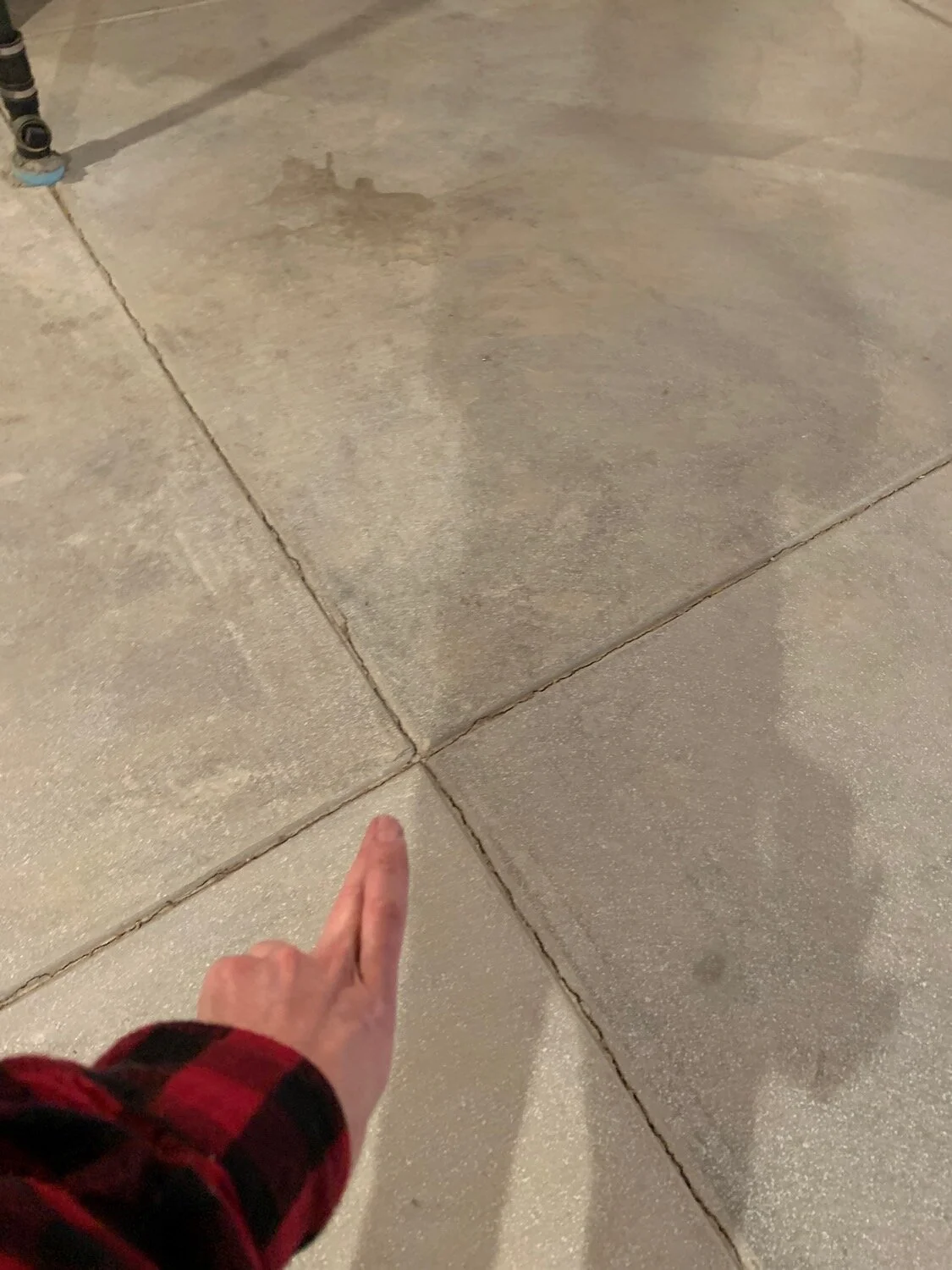
One of the most common observations we come across inspecting homes in Colorado are cracked foundations, most commonly made of poured concrete, concrete masonry units or brick. This issue is also a higher priority item a potential buyer may consider when deciding to go forward with or walk away from the purchase of a home.
A common issue that we as home inspectors are running into currently is the phase out of R-22 refrigerant also known as HCFC-22. If your system was installed before 2010, there is a high probability that it contains R-22 refrigerant which will be impacted by the change that is occurring January 1, 2020.