Buyer Red Flags Part 1: Fresh Finishes That Can Hide Bigger Problems

ABP | BLOG
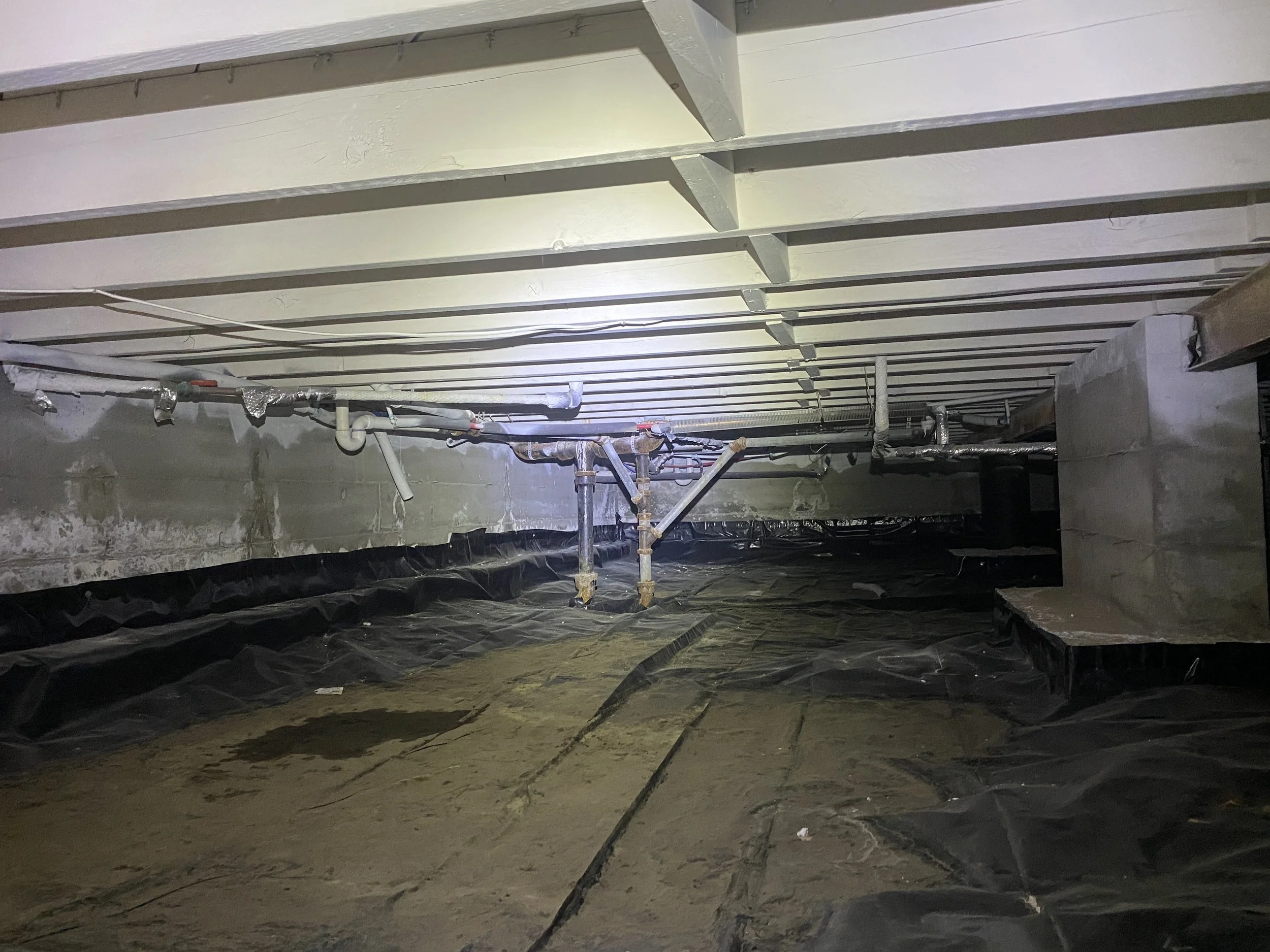
Crawl space foundations, while common, require proactive maintenance to prevent moisture intrusion, structural movement, and energy loss. Understanding how expansive soils interact with crawl space foundations can help homeowners protect their investment and ensure a stable, comfortable living environment.
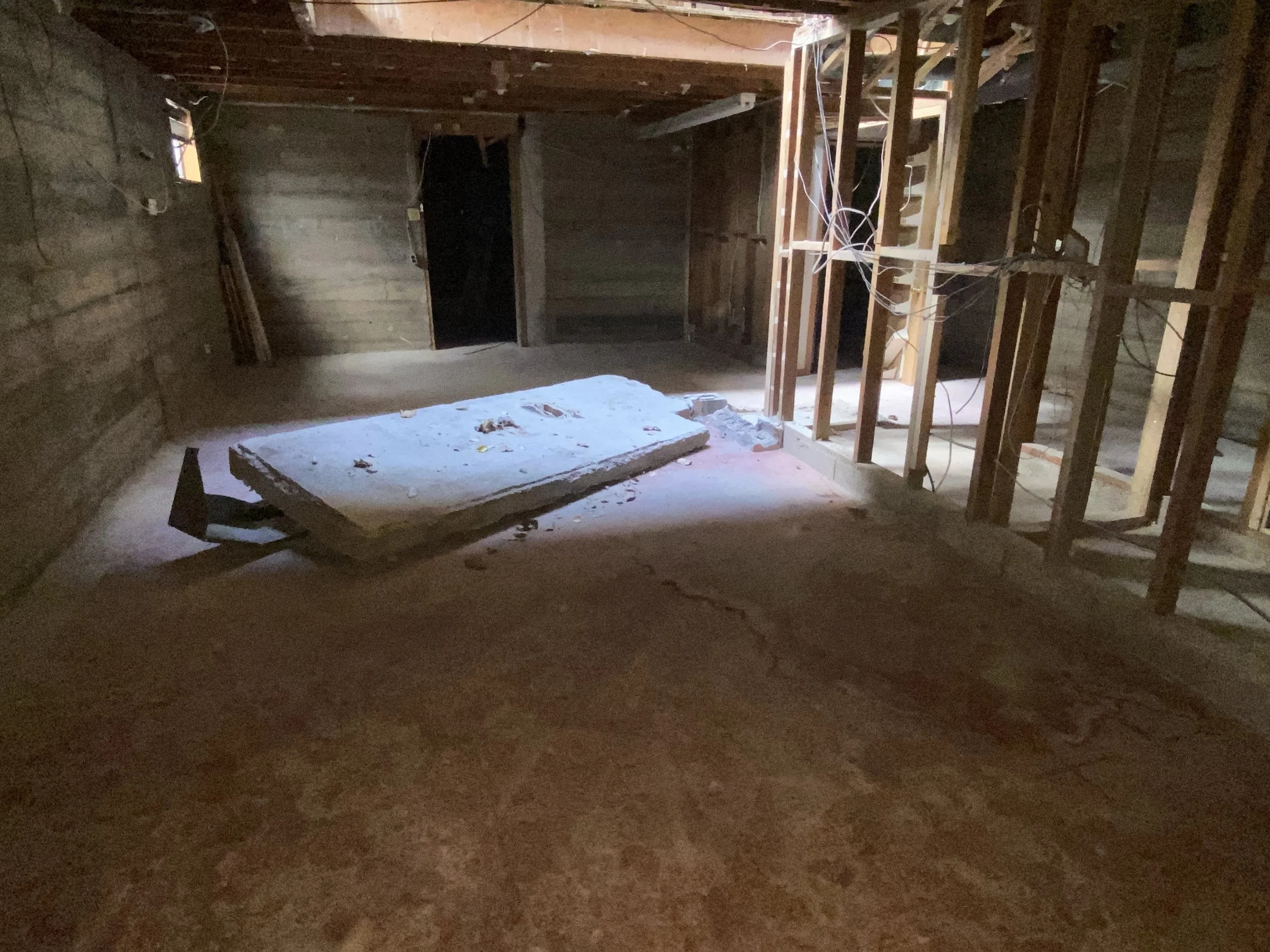
Basements are an extremely common feature in Colorado homes due to the region’s expansive soils and the need for additional living space. While basements provide valuable square footage and extra protection against the elements, they also introduce unique structural challenges. In this installment of our series, we’ll explore common basement foundation types, potential defects, and how to determine when foundation issues require further evaluation.
The lifespan of a wood deck can vary depending on a number of factors, including the type of wood used, the climate in the area, the level of maintenance it receives, and the amount of foot traffic and exposure to the elements it experiences.
In general, a well-built and well-maintained wood deck can last anywhere from 10 to 30 years or more.
To help extend the life of a wood deck, it's important to regularly clean it and inspect it for any signs of damage or wear, such as loose boards or rotting wood. Additionally, applying a high-quality sealant or stain to the deck can help protect it from moisture, UV rays, and other environmental factors that can contribute to deterioration.
The frequency with which a wood deck should be sealed can depend on a number of factors, including the type of sealant used, the climate in the area, and the amount of use and exposure to the elements the deck experiences.
As a general rule, however, most experts recommend that homeowners plan to seal their wood decks every 1 to 3 years.
Some signs that it may be time to reseal the deck include faded or discolored wood, rough or splintered surfaces, or water that no longer beads up on the surface of the wood.
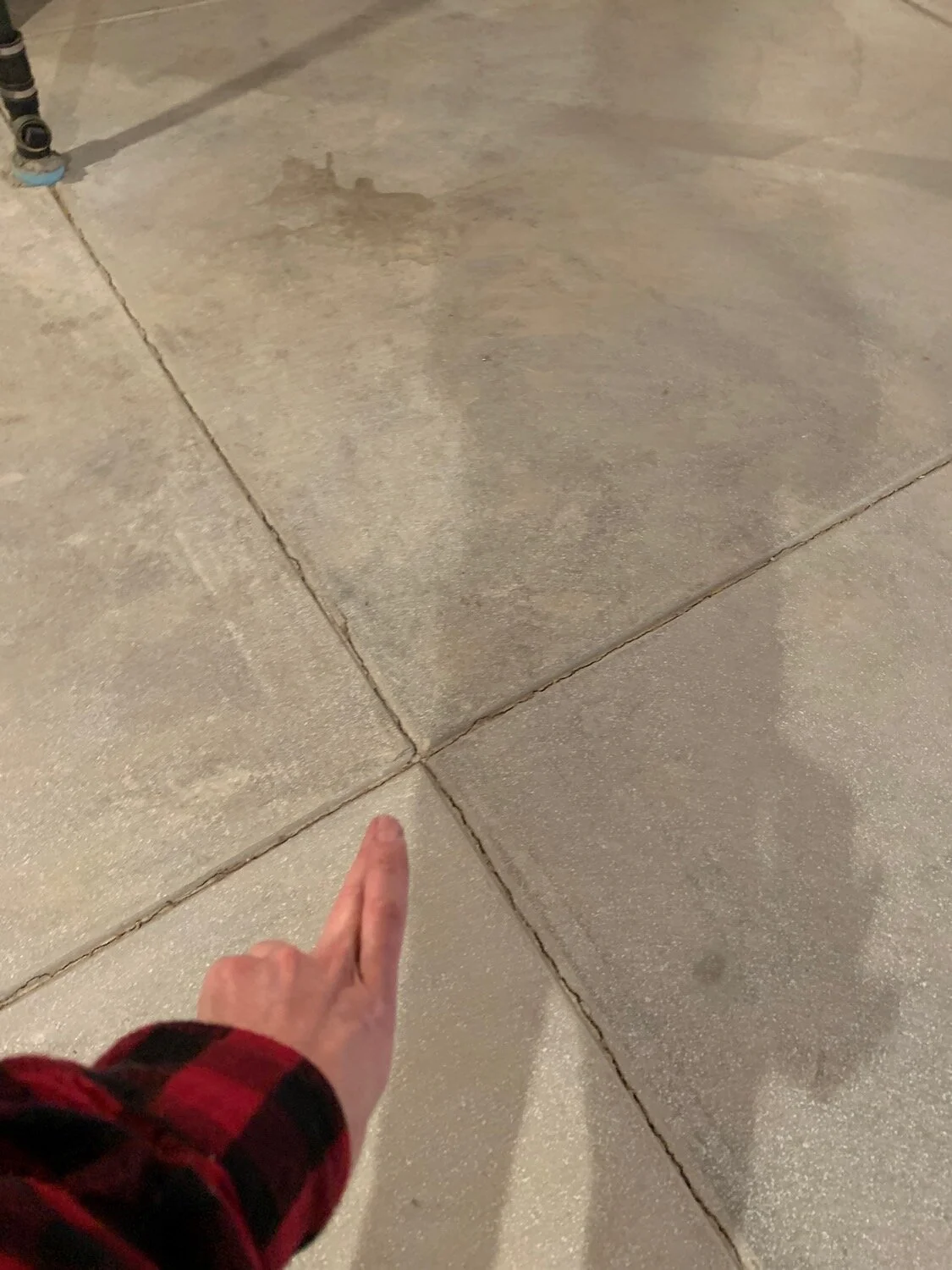
One of the most common observations we come across inspecting homes in Colorado are cracked foundations, most commonly made of poured concrete, concrete masonry units or brick. This issue is also a higher priority item a potential buyer may consider when deciding to go forward with or walk away from the purchase of a home.