R-410A Is Out, R-454B Is In – Here’s What You Need to Know

Another big shift is happening in the HVAC world that you need to be aware of. As of January 2025 the HVAC industry began phasing out R-410A refrigerant in A/C units and is switching to R-454B.

Didn’t this just happen with R-22?

Yes. The HVAC industry just completed the transition from R-22 to R-410A in 2020, and now they’re doing it again.

Why? Simply put, R-454B was chosen as a replacement to R-410A because it offers similar cooling performance but is about 4 times more environmentally friendly from an ozone and global warming standpoint.

Here’s what this means for you and your clients:

- Older A/C Systems: If a home has an HVAC unit with R-410A, it will still work - but servicing it will get pricier as the refrigerant becomes less available.

- Newer A/C Systems: After 2025, all new units will use R-454B, which isn’t compatible with older systems. That means replacing just part of an HVAC system won’t always be an option.

- For Buyers & Sellers: If a home’s A/C is 10+ years old, it’s worth checking the refrigerant type and planning ahead for potential costs.

Fortunately this phase out will be less abrupt than the R-22 phase out, but it’s good to be aware of so you can make informed decisions over the coming years.
How Long Does A Deck Typically Last And How Often Should A Wood Deck Be Sealed?

The lifespan of a wood deck can vary depending on a number of factors, including the type of wood used, the climate in the area, the level of maintenance it receives, and the amount of foot traffic and exposure to the elements it experiences.

In general, a well-built and well-maintained wood deck can last anywhere from 10 to 30 years or more.

To help extend the life of a wood deck, it's important to regularly clean it and inspect it for any signs of damage or wear, such as loose boards or rotting wood. Additionally, applying a high-quality sealant or stain to the deck can help protect it from moisture, UV rays, and other environmental factors that can contribute to deterioration.

The frequency with which a wood deck should be sealed can depend on a number of factors, including the type of sealant used, the climate in the area, and the amount of use and exposure to the elements the deck experiences.

As a general rule, however, most experts recommend that homeowners plan to seal their wood decks every 1 to 3 years.

Some signs that it may be time to reseal the deck include faded or discolored wood, rough or splintered surfaces, or water that no longer beads up on the surface of the wood.

Check out this rebate and tax credit calculator for Colorado Homeowners

Check out this rebate and tax credit calculator for Colorado Homeowners

Colorado homeowners may qualify for significant rebates and tax credits on energy efficiency and electrification upgrades — this calculator helps you estimate savings and incentives that can offset home improvement costs.

The Hidden Dangers of Lead: Why Professional Inspection is Essential

Lead is a toxic metal that poses serious health risks, especially to children and pregnant women. Despite its dangers, lead was commonly used in paints, pipes, and other building materials until it was banned in residential properties in the late 1970s. Today, many older homes still contain lead-based materials, creating potential health hazards for their occupants.

Exposure to lead can cause a range of health problems. In children, lead poisoning can result in developmental delays, learning difficulties, irritability, and weight loss. For adults, lead exposure can lead to high blood pressure, joint and muscle pain, difficulties with memory or concentration, and complications during pregnancy. The effects of lead poisoning are often irreversible, making prevention and early detection critical.

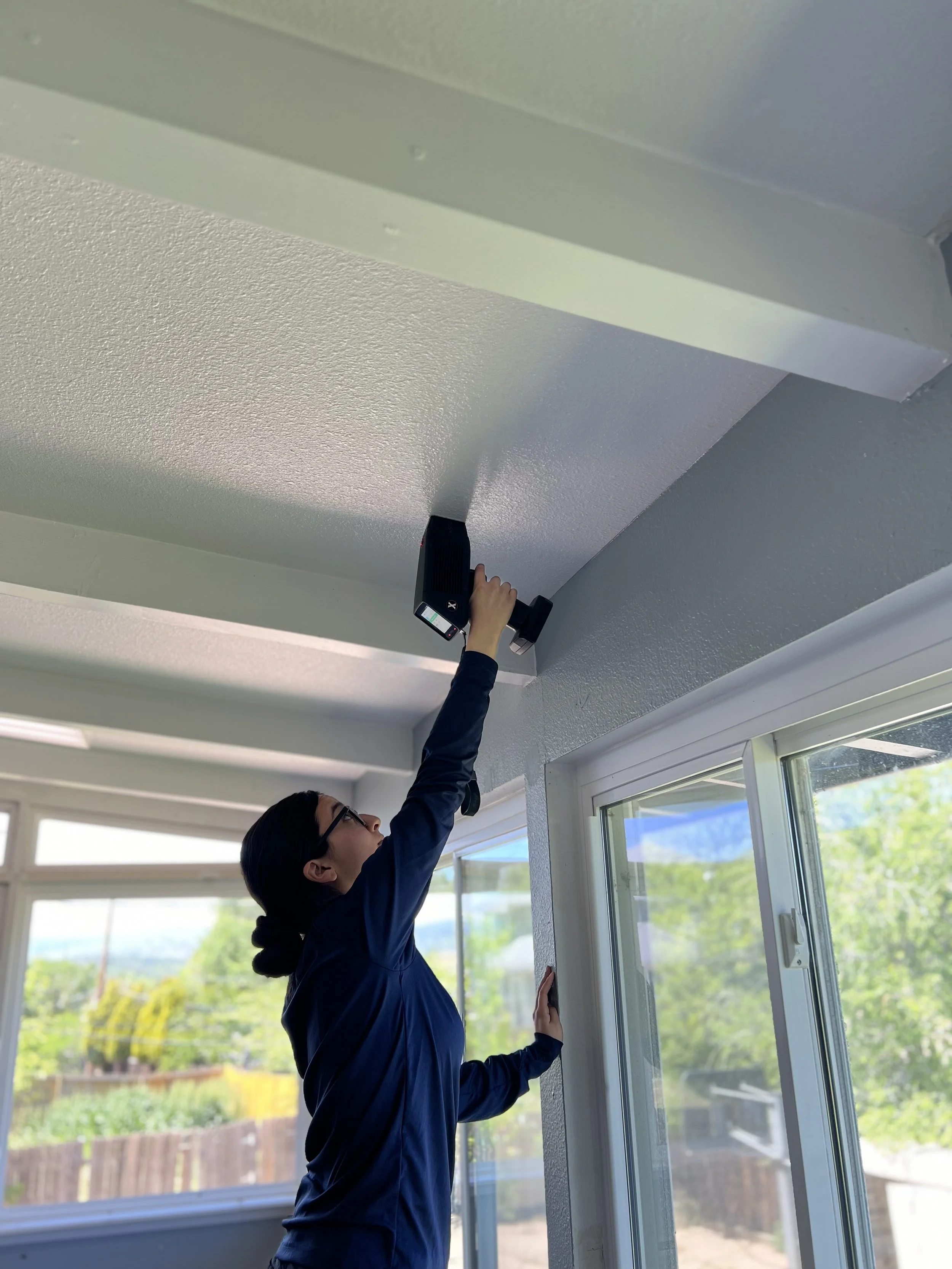
Because lead is not always visible to the naked eye, it is essential to have a professional inspection if you suspect its presence in your home. Our certified lead inspectors use specialized and non-invasive analyzers to detect lead based paint in the home, no matter if it's been painted over. This thorough inspection process ensures that all potential sources of lead based paint are identified.

Attempting to test for lead yourself or ignoring the potential presence of lead can be dangerous. Disturbing lead-based materials during renovations or repairs can release toxic dust into the air, putting everyone in the home at risk. 

Given the severe health risks associated with lead exposure, it is crucial to rely on professional inspections to ensure your home is safe. Protecting your family's health and well being should always be a top priority, and professional lead inspections are a vital part of maintaining a safe living environment.

What does the gauge on a radon mitigation system mean?

The pressure gauge on a radon mitigation system, commonly known as a U-tube manometer or pressure gauge, is a simple device that measures the differential pressure in the radon mitigation system. This gauge DOES NOT tell you the radon levels in the home. It helps indicate whether the system is functioning correctly by showing the level of suction or vacuum being created by the fan that pulls radon gas from beneath the house and vents it outside.

How the Pressure Gauge Works:

  • U-Shape Tube: The gauge typically consists of a clear, U-shaped tube partially filled with a colored liquid (often water or oil-based).

  • Pressure Difference: One side of the U-tube is connected to the vent pipe, while the other side is open to the atmosphere. The liquid in the tube will be at different levels on each side if the fan is working properly, creating a pressure differential.

  • Measurement: The difference in the liquid levels, usually measured in inches, indicates the suction pressure. The exact value can vary, but typically, the liquid on the side connected to the vent pipe will be lower than the side open to the atmosphere.

What the Readings Mean:

  • Normal Operation: If the system is functioning properly, the liquid in the U-tube should have a noticeable difference in height between the two sides, indicating that the fan is creating sufficient suction.

  • No Suction (Equal Levels): If the liquid levels are the same on both sides, it suggests that there is no pressure difference, meaning the fan may not be working, the system could be blocked, or there is a significant leak in the piping.

  • Too Much or Too Little Pressure: If the pressure reading is significantly higher or lower than what is typical for your system, it might indicate an issue, such as a clogged pipe or a failing fan. Typically more than 1.5” offset indicates a problem. This could affect the system's efficiency in reducing radon levels.

Regular Monitoring:

Homeowners should periodically check the pressure gauge to ensure the radon mitigation system is operating correctly. If the levels change significantly or if the liquid levels are equal, it’s a sign that the system needs to be inspected by a professional to ensure it is effectively mitigating radon gas.

Pre-listing tips to avoid inspection limitations this winter

It’s hard to believe, but the first frost is approaching and the cooling temperatures mean that inspections will be somewhat limited due to seasonal factors. Specifically these 3 common cold weather limitations:

  1. A/C units cannot be operated in temperatures below 65 degrees F. This is an industry standard limitation that prevents risking damage to the components due to the viscosity of the oil in the compressor.

  2. Snow covered roofs and exterior surfaces cannot be visually inspected (self explanatory)

  3. Landscape irrigation systems and exterior hose bibs are winterized and cannot be tested. Inspection of the landscape irrigation systems is beyond the scope of a home inspection, but confirmation of these systems operating is often something that a buyer wants to check and cannot in the winter.

If you know that you have a listing coming up between now and late spring, here are some tips to help you prepare for a smooth inspection process. We all know that buyers hate inspection limitations and you can help put their mind at ease with these simple steps.

  1. Have the A/C unit professionally serviced by an HVAC technician with a written report confirming operation on that date. Make sure to schedule this prior to sub 65 degree days if possible as HVAC technicians are also limited by the temperature restriction.

  2. Have the roof pre-inspected by a reputable roofing contractor with a photo report generated showing the condition of the roof on that date. Unless there are major storms between that inspection date and the buyer's inspection date, the chances of unforeseen damages are low.

  3. Confirm operation of the landscape irrigation system before it’s winterized. This is something that your seller can even do on their own with photo evidence.

We don’t always have the luxury of foresight, but this is one time you can as long as you have enough lead time on the listing. Your sellers, the buyers and the inspector will all be impressed!