
Top 10 Inspection Topics Every Colorado Agent Should Understand

We are always impressed when an agent is able to intelligently communicate inspection findings and knowledge to their client during the inspection process. Having a working knowledge of common inspection issues can help you set expectations, avoid surprises, and win major credibility with clients.

Here are the top 10 home inspection topics every residential agent in Colorado should be familiar with:

🏠 Top 10 Inspection Topics in Colorado

  1. Aluminum Wiring
    Common in homes built mid-60s to mid-70s. Is a fire hazard if not properly repaired and is flagged for detailed evaluation and repair.

  2. Federal Pacific & Zinsco Panels
    These outdated electrical panels are known to fail under load and are always called out for replacement.

  3. High Radon Levels
    Radon is common in Colorado due to our geology. Anything ≥ 4.0 pCi/L is recommended for mitigation.

  4. Polybutylene & Galvanized Pipes
    These older plumbing materials are prone to failure and often lead to insurance or resale concerns.

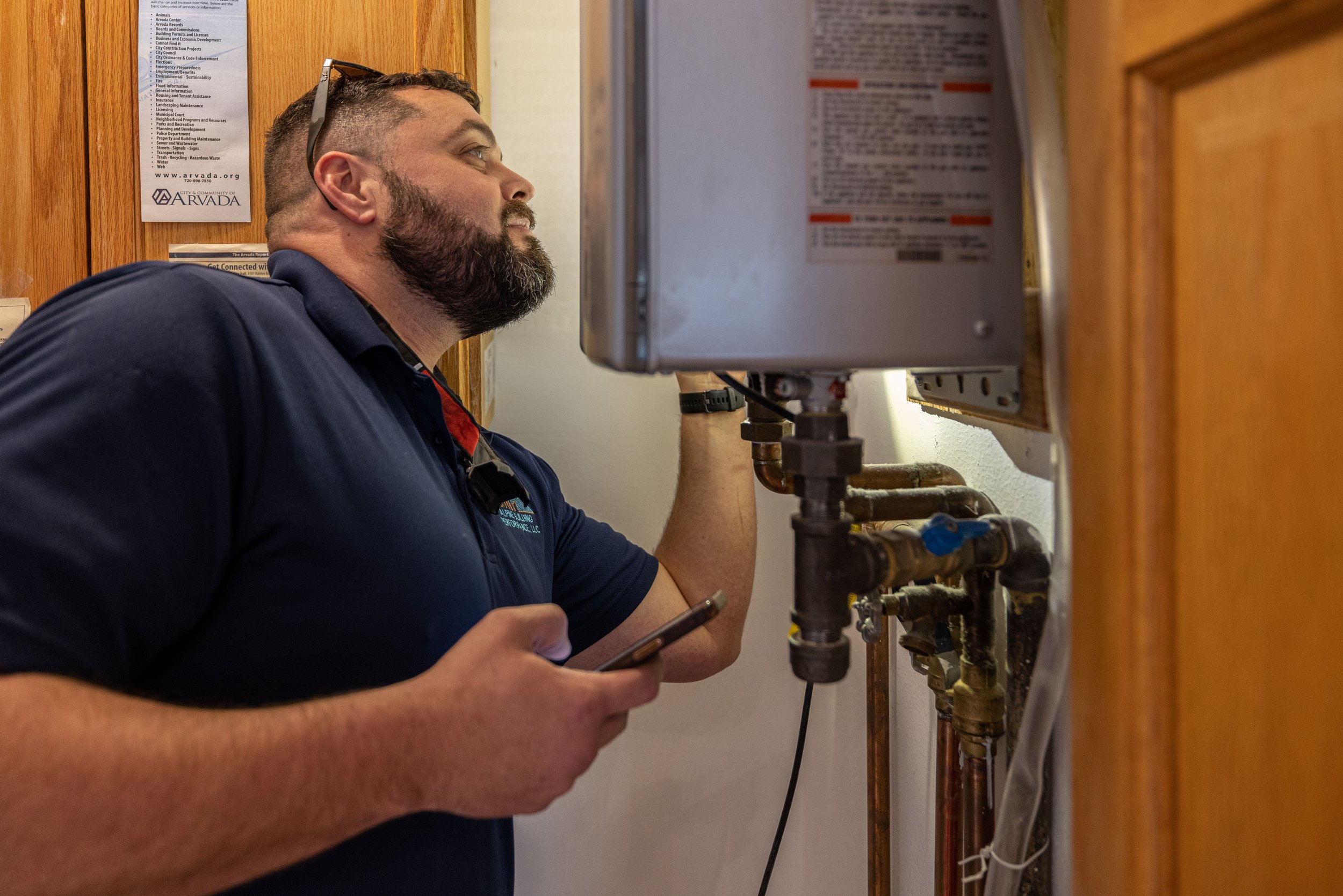
  5. Aging HVAC Systems
    Furnaces over 25 years and A/Cs over 15 years are at or near end-of-life. 

  6. Asbestos-Containing Materials
    Common in older homes (especially popcorn ceilings, duct wrap and flooring). Asbestos can’t be confirmed visually and testing is required for confirmation.

  7. Roof Age & Condition
    Understanding roof hail damage and claims is key in our climate. Knowing what to do with an inspector's findings is key.  Insurance companies often require documentation or inspection.

  8. Grading & Drainage Issues
    Poor grading can lead to foundation moisture issues, especially with Benonite clay soils in Colorado.

  9. Sewer Line Concerns
    Root intrusion, bellies, and breaks are common. Sewer scopes are highly recommended—even on newer homes.

  10. Structural Movement
    Colorado’s expansive Bentonite clay soils can cause foundation shifting or settlement cracks. Minor cracks = common. Major displacement = concern.
How to Know if You Can Add Air Conditioning to a Heat-Only Home

This is one of the most common questions we get from buyers touring homes without air conditioning: Can I add A/C?

The short answer is yes—you can add A/C to almost any home. The longer answer? It depends on the home’s existing heating system, the budget, and how much work you're prepared to take on. Here’s a quick breakdown of what to consider when evaluating this with your clients.

Key Factors to Consider:

  1. Forced Air Furnace = Easiest Path
    If the home already has a forced air furnace, that’s great news. The ductwork is already in place, so installing a central A/C system is typically straightforward and cost-effective.

  2. Boiler System = Bigger Lift
    Homes heated by a boiler (radiators, baseboards, etc.) do not have ductwork, so adding central A/C will require installing a separate duct system. An increasingly popular alternative? Ductless mini-split systems, which are easier to retrofit and provide room-by-room control.

  3. Evaporative Cooler Present?
    It’s a common misconception that an existing swamp cooler limits your A/C options. In reality, evaporative coolers and A/C systems operate independently. A home can technically have both—but most homeowners opt to remove the evaporative cooler once A/C is installed.

BOTTOM LINE:
Almost every home can be upgraded with air conditioning, but the cost and complexity vary greatly depending on the existing heating setup. Knowing what system is in place—and what alternatives are available—can help set the right expectations for your buyers and open the door for helpful vendor referrals.

Pro tip: If installing A/C, consider heat pump options that provide both heating and cooling. Split system heat pumps are available that look and operate just like a traditional A/C, but with the added benefit of providing efficient heating to supplement a furnace. 

Colorado Reg 8: What You Need to Know About Asbestos Compliance

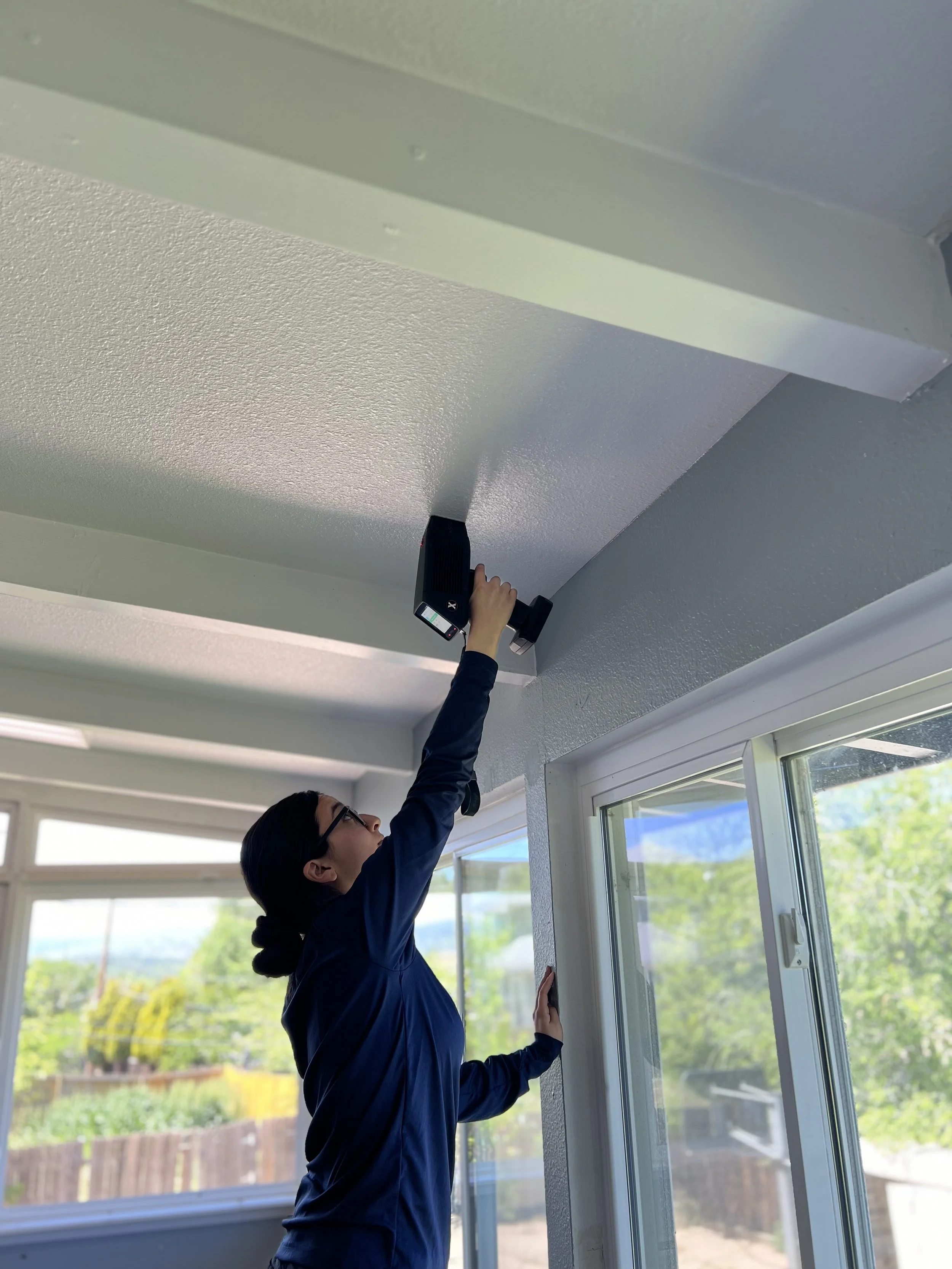
Colorado’s Regulation 8 requires asbestos inspection and compliance whenever renovation or demolition disturbs a certain amount of material, regardless of the home’s age—since even new buildings can contain asbestos.

Key Takeaways:

Age Doesn’t Exempt You

Reg 8 triggers inspection requirements based on the amount of material disturbed.

Under Colorado Reg 8, any renovation or demolition that disturbs asbestos-containing materials (ACM) must be inspected if the following thresholds are exceeded in a single-family dwelling:

  • 50 linear feet of pipe insulation

  • 32 square feet of other surface materials (e.g. drywall, ceiling texture)

  • Or the volume equivalent to a 55‑gallon drum of material

Know the Thresholds

Under Colorado Reg 8, any renovation or demolition that disturbs asbestos-containing materials (ACM) must be inspected if the following thresholds are exceeded in a single-family dwelling:

  • 50 linear feet of pipe insulation

  • 32 square feet of other surface materials (e.g. drywall, ceiling texture)

  • Or the volume equivalent to a 55‑gallon drum of material

Permitting and Timing

If asbestos is found—or assumed—the contractor must notify CDPHE and wait 10 working days before removing it. Skipping this step can result in permit delays and fines.

Best Practice

When advising clients on renovations or inspections, remind them to ask about Reg 8 testing early with their contractor, and verify it’s completed if their scope triggers the thresholds.

If you plan any remodel or demolition—even in newer homes—make sure asbestos compliance under Reg 8 is on your radar. Our intention is to educate, not alarm. We want to ensure that our clients are properly informed so that future costly surprises are avoided.

Heat Pumps vs. Traditional HVAC: Which Provides More Comfort & Control

Home comfort comes up in the buying journey, especially with older homes. But the comfort difference isn't just about temperature. Let's break down why heat pumps are quietly revolutionizing how homes feel with consistent, zoned comfort and cleaner air. Scroll to the end of this email for exclusive savings offers.

Temperature Consistency

Furnaces work by blasting super hot air, waiting for the ambient temperature to drop to an uncomfortable level, then cycling back on. Heat pumps provide steady, consistent temperatures based on your precise settings.

Heat pumps are the Goldilocks appliance

Maintaining a consistent temperature that’s not too cold, not too hot, but just right. Not the rollercoaster ride of traditional heating.

Heat Pumps are a Win-Win for Buyers & Sellers

  • Instant buyer impression: Comfort is felt within minutes of entering

  • Health appeal: No indoor air pollution from burning gas

  • Modern expectation: Outselling gas furnaces since 2022

  • Federal & local incentives: $2K federal tax credit makes upgrades attractive, the average Xcel rebate for a heat pump system is $8K

Heat pumps have moved from niche to mainstream in Colorado - they're efficient, comfortable and healthier to live in.

Air Quality of Clean Electric vs. Combustion Fumes

Heat pumps don't burn anything, which means no unhealthy fumes in your home like gas furnaces produce.

  • Health Benefits: No combustion fumes, better air circulation

  • Impact: Cleaner indoor air, no stuffy rooms

  • Buyer Value: health-conscious families, immediate comfort

  • Especially valuable for families with allergies or buyers prioritizing indoor air quality.

Heat Pumps are Especially Attractive to Landlords and STR Hosts

Heat pump comfort is noticeable within minutes:

  • No hot/cold blasts from vents

  • Whisper-quiet operation (no furnace roar)

  • Fresh, clean air without combustion odors

  • Even temperatures throughout every room

Pro Tip: Airbnb hosts who actively market their eco-friendly bonafides, like heat pumps, attract environmentally conscious travelers and see increased occupancy.

Alpine Building Performance is Partnering with Zero Homes!
Are you a real estate agent who also owns a rental property or short-term rental? You may be eligible for $500 off your own heat pump installation with Zero Homes - just install by June 30 and use this exclusive referral code:ABP_ZERO

Looking to help your clients make their homes more energy-efficient?
Zero Homes is offering $500 if one of your clients purchases a heat pump with them by June 30. Simply give them this referral code: ABP_HEATPUMPS


Check out this free resource from Zero Homes:
Heat Pumps 101:A Guide for 2025

📞 Questions? Contact Zero Homes:
303-848-8606 - abp@zerohomes.io

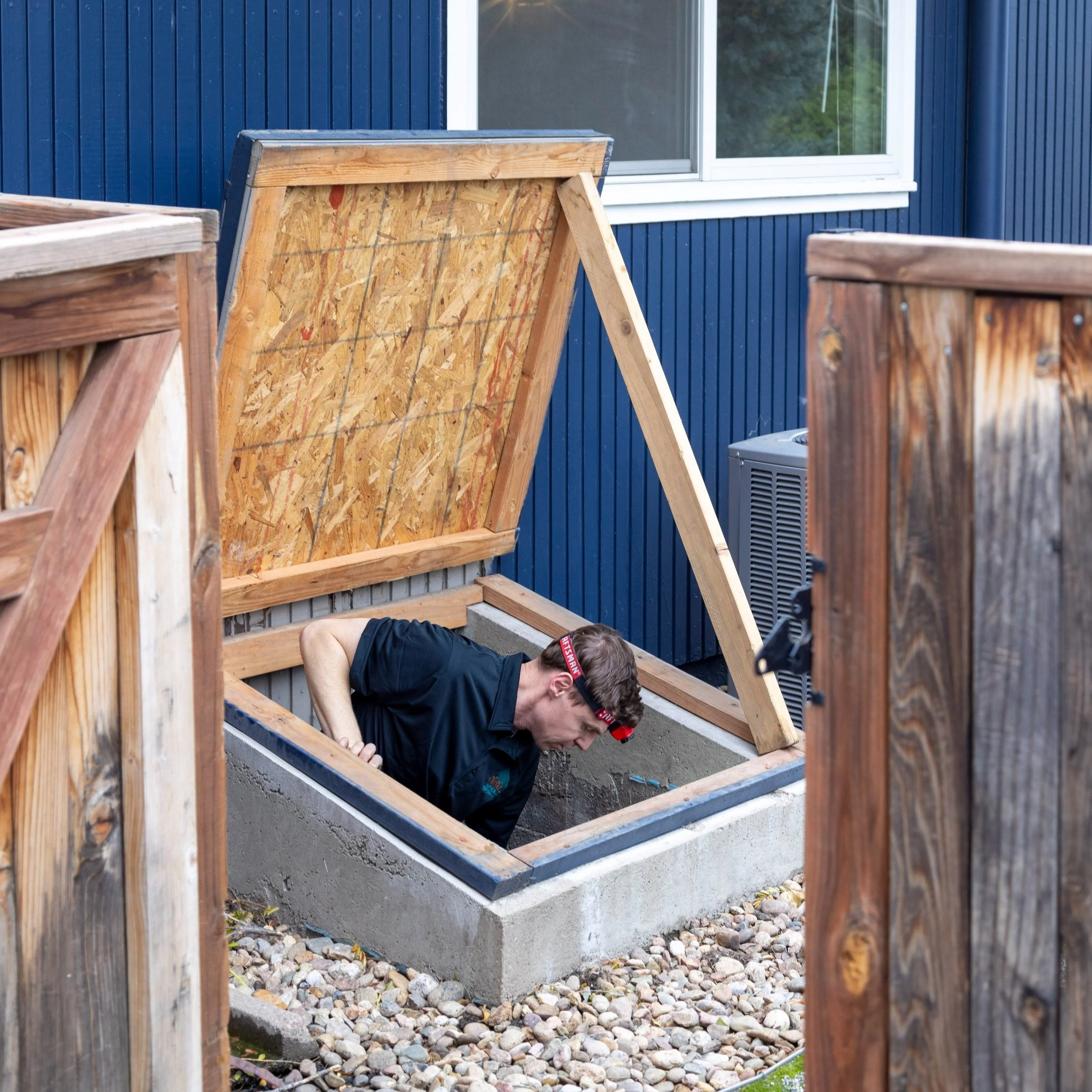
What's Crackin'? Foundations and Expansive Soils in Colorado, Part 3: Crawl Space Foundations

What's Crackin'? Foundations and Expansive Soils in Colorado, Part 3: Crawl Space Foundations

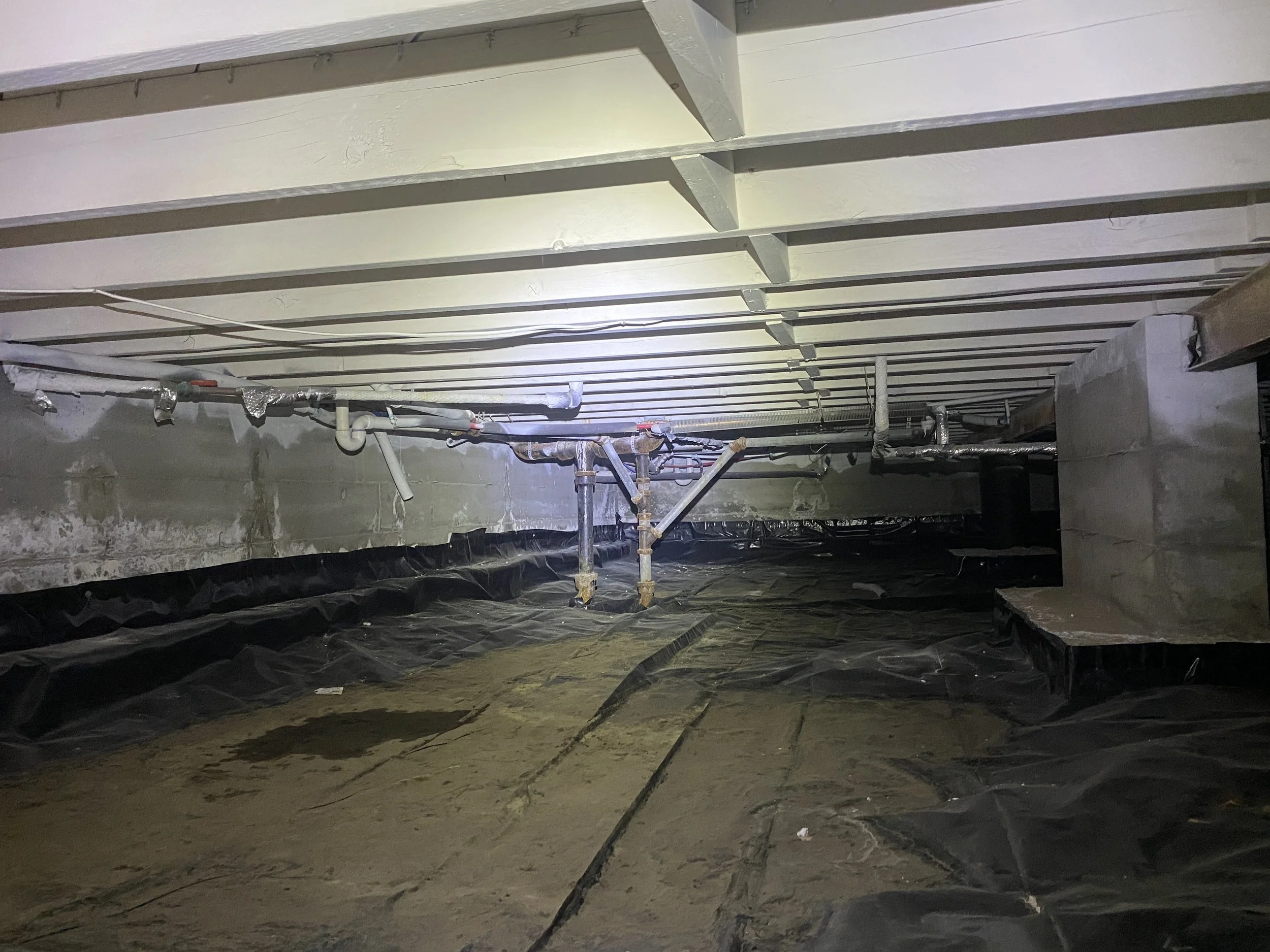
Crawl space foundations, while common, require proactive maintenance to prevent moisture intrusion, structural movement, and energy loss. Understanding how expansive soils interact with crawl space foundations can help homeowners protect their investment and ensure a stable, comfortable living environment.

What's Crackin'? Foundations and Expansive Soils in Colorado, Part 2: Basement Foundations

What's Crackin'? Foundations and Expansive Soils in Colorado, Part 2: Basement Foundations

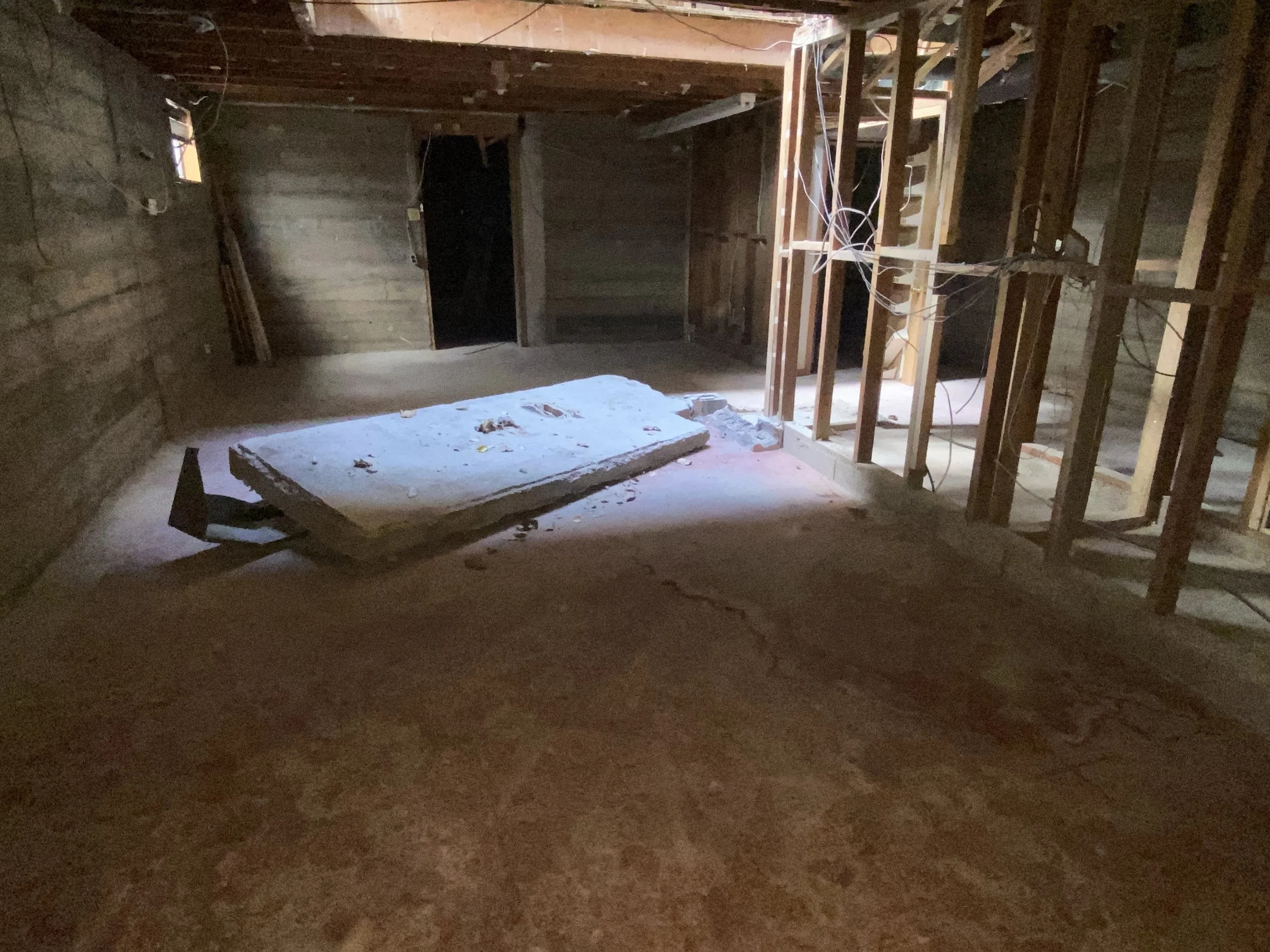
Basements are an extremely common feature in Colorado homes due to the region’s expansive soils and the need for additional living space. While basements provide valuable square footage and extra protection against the elements, they also introduce unique structural challenges. In this installment of our series, we’ll explore common basement foundation types, potential defects, and how to determine when foundation issues require further evaluation.

R-410A Is Out, R-454B Is In – Here’s What You Need to Know

Another big shift is happening in the HVAC world that you need to be aware of. As of January 2025 the HVAC industry began phasing out R-410A refrigerant in A/C units and is switching to R-454B.

Didn’t this just happen with R-22?

Yes. The HVAC industry just completed the transition from R-22 to R-410A in 2020, and now they’re doing it again.

Why? Simply put, R-454B was chosen as a replacement to R-410A because it offers similar cooling performance but is about 4 times more environmentally friendly from an ozone and global warming standpoint.

Here’s what this means for you and your clients:

- Older A/C Systems: If a home has an HVAC unit with R-410A, it will still work - but servicing it will get pricier as the refrigerant becomes less available.

- Newer A/C Systems: After 2025, all new units will use R-454B, which isn’t compatible with older systems. That means replacing just part of an HVAC system won’t always be an option.

- For Buyers & Sellers: If a home’s A/C is 10+ years old, it’s worth checking the refrigerant type and planning ahead for potential costs.

Fortunately this phase out will be less abrupt than the R-22 phase out, but it’s good to be aware of so you can make informed decisions over the coming years.

How Long Does A Deck Typically Last And How Often Should A Wood Deck Be Sealed?

The lifespan of a wood deck can vary depending on a number of factors, including the type of wood used, the climate in the area, the level of maintenance it receives, and the amount of foot traffic and exposure to the elements it experiences.

In general, a well-built and well-maintained wood deck can last anywhere from 10 to 30 years or more.

To help extend the life of a wood deck, it's important to regularly clean it and inspect it for any signs of damage or wear, such as loose boards or rotting wood. Additionally, applying a high-quality sealant or stain to the deck can help protect it from moisture, UV rays, and other environmental factors that can contribute to deterioration.

The frequency with which a wood deck should be sealed can depend on a number of factors, including the type of sealant used, the climate in the area, and the amount of use and exposure to the elements the deck experiences.

As a general rule, however, most experts recommend that homeowners plan to seal their wood decks every 1 to 3 years.

Some signs that it may be time to reseal the deck include faded or discolored wood, rough or splintered surfaces, or water that no longer beads up on the surface of the wood.

Check out this rebate and tax credit calculator for Colorado Homeowners

Check out this rebate and tax credit calculator for Colorado Homeowners

Colorado homeowners may qualify for significant rebates and tax credits on energy efficiency and electrification upgrades — this calculator helps you estimate savings and incentives that can offset home improvement costs.